Tarragona beyond the amphitheatre
The Tarragona tourists never see
10 secrets locals keep to themselves: Roman caves, wild beaches, vermouth rituals and hidden gems just metres from the tourist trail.
Tarragona has a visible layer — the amphitheatre, the cathedral, the Rambla Nova — and another layer known only to those who live here or those who know how to look. This second Tarragona is more interesting: the fish auction that happens every afternoon four streets from the harbour, the turquoise beach that requires a 30-minute trail to reach, the Roman walls sleeping beneath modern squares. This guide opens that door.
The Serrallo fish auction
Every weekday between 4 and 6 pm, the Serrallo fishing boats return from the sea and the fish market becomes a genuine spectacle: the auctioneer fires off prices in fractions of a second, buyers make barely visible signals and boxes of gleaming fish change hands in moments. You can watch it all from outside the lonja, completely free, with no tourist groups in sight.
Roman walls beneath the Plaça del Rei
The Plaça del Rei looks like an ordinary medieval square. But beneath the cobblestones lie the structures of the Roman Praetorium and the beginning of the Roman Circus. The underground access via the Museu d'Història de Tarragona reveals a labyrinth of 1st-century AD vaults running beneath the entire old town. Few tourists venture beyond the first room; the full route is extraordinary.
The Torre dels Escipions
6 km north of Tarragona, beside the N-340, stands a virtually unknown Roman funerary tower from the 1st century AD. Misleadingly called the 'Tower of the Scipios' (it was actually the mausoleum of an unknown family), its reliefs of Attis are still legible after two thousand years. It goes unnoticed by 99% of visitors travelling on the motorway alongside it.
Sunday vermouth in the Part Alta
On Sunday mornings at 12:30, the Part Alta comes alive with one of the city's most genuine rituals: locals fill the terraces of long-standing bars for midday vermouth. Olives, anchovies in vinegar, patatas bravas and draught vermouth. No set menu, no tour groups, no hurry. This is the real Tarragona — the one no tourist brochure photographs.
Cala Fonda ('Waikiki' beach)
A 30-minute walk from Cap de Salou (or 20 min by kayak), there is a cove with turquoise waters of Caribbean clarity. The locals call it 'Waikiki' for its colour. The trail to reach it crosses coastal scrubland without clear waymarking, which keeps it almost empty even in August. The best-kept secret on the Costa Daurada.
The Call: the medieval Jewish quarter
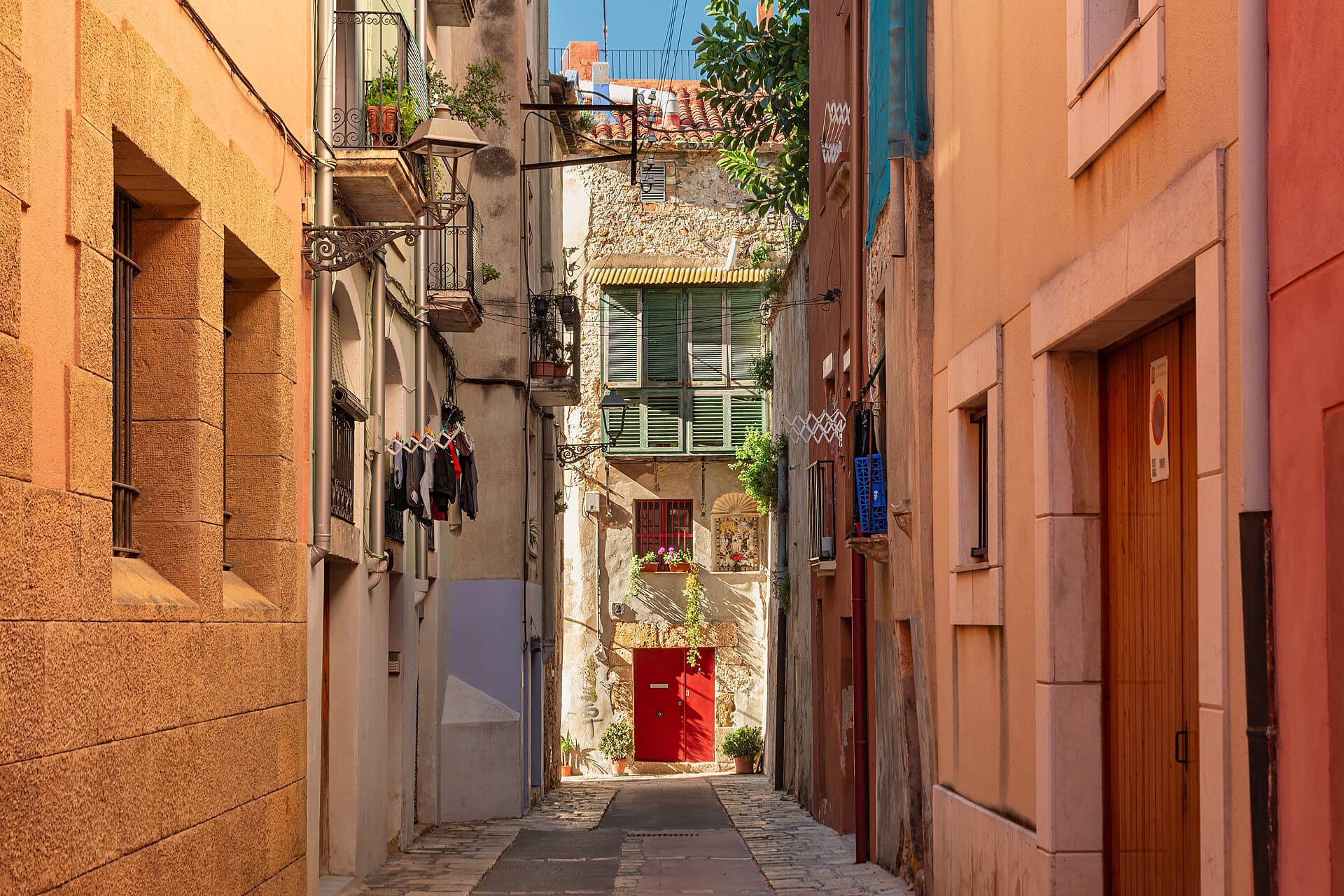
In the heart of the Part Alta, a labyrinth of narrow lanes preserves the remains of Tarragona's medieval call (Jewish quarter). The streets around Carrer dels Jueus, Portal del Carro and the Cathedral area contain medieval architectural details that most visitors walk past without recognising. There is no dedicated tourist signage — it is an exploration for the curious.
The Early Christian Necropolis
On the banks of the Francolí river, ten minutes' walk from the centre, lies one of the largest Early Christian necropolises in Spain: more than 2,000 tombs from the 3rd to 5th centuries AD. The adjacent museum houses carved sarcophagi of extraordinary refinement. Waits rarely exceed 20 minutes and organised tourist groups never come here.
The view from the Cathedral tower
Most visitors pay the entry to the Cathedral of Santa Tecla, stroll through the cloister and leave. Very few know that for a small supplement you can climb the bell tower and get a 360° view over all of Tarragona: the amphitheatre, the harbour, the Camp de Tarragona plain, the Francolí river and, on clear days, the Ebro Delta.
The set lunch at El Llagut
In the Serrallo there are restaurants charging €50 per head à la carte that also offer a midday set menu for €14 with the same raw ingredients: fish rice, fresh seafood, homemade desserts and house wine. The secret is to arrive at 1:15 pm (when they open) to get a table without a reservation. Organised tour groups never eat here.
The Via Augusta Roman road stones
The Via Augusta — the Roman road that linked Cádiz to Rome running the length of Hispania — passes through Tarragona. Near the Arc de Berà, 20 km north, original stretches of Roman road are still visible with cart-wheel ruts worn into the stone. The arch itself is UNESCO World Heritage and sees almost no visitors. Combine with the Torre dels Escipions for a complete Roman excursion.
How to experience Tarragona like a local
Breakfast at the Mercat Central de Tarragona: café amb llet and ensaïmada amid fruit and vegetable stalls. Tuesday and Saturday mornings are the best.
Sunday vermouth in the Part Alta before lunch: the most authentic weekly ritual, in the old neighbourhood's long-standing bars.
Set fish lunch in the Serrallo on a weekday: cheaper, fresher and without the weekend queues. Arrive before 1:30 pm.
Sunset at the Balcó del Mediterrani: not a secret, but locals know the best spot is not the official viewpoint but the stone bench 50 metres further south.
Evening stroll along the Rambla Nova until 10 pm: the night walk with ice cream in hand is the favourite summer activity of Tarragona residents. The artisan gelaterias close late.