What to see
and do in
Tarragona
2,200 years of Roman history on the shores of the Mediterranean. UNESCO monuments, human towers touching the sky, Michelin gastronomy and dream beaches. The definitive city guide.
Why Tarragona
Some cities you visit. Tarragona you feel.
Here the Roman Empire reached the Mediterranean and decided there was no more beautiful place to rule the world. Here emperors Augustus and Hadrian walked the same stones you walk today. Here the castellers raise human towers declared Intangible Heritage of Humanity. Here romesco has been the sauce of kings for centuries.
Tarragona is not a museum city. It is a living city that has been great for 2,200 years, and every September proves it again.
Tarragona · live map
Move through the city
like a local
A more editorial, more local map: Roman heritage, beaches, viewpoints, neighborhoods, food spots and places that actually help you understand Tarragona on the ground.
Cargando mapa…
Complete guide
All of Tarragona,
in one place
6 undeniable reasons
Why Tarragona is different
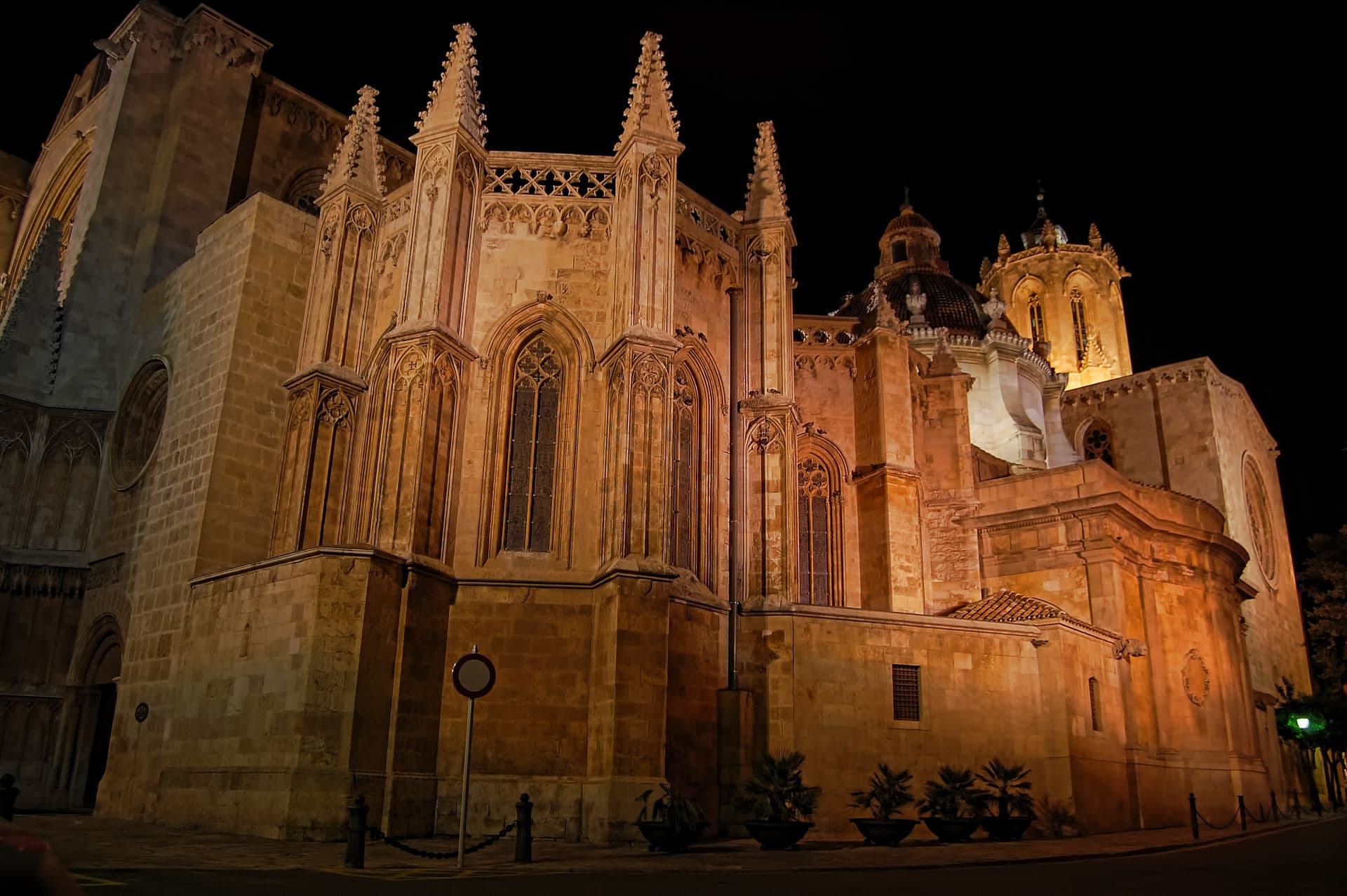
The most Roman city in the Peninsula
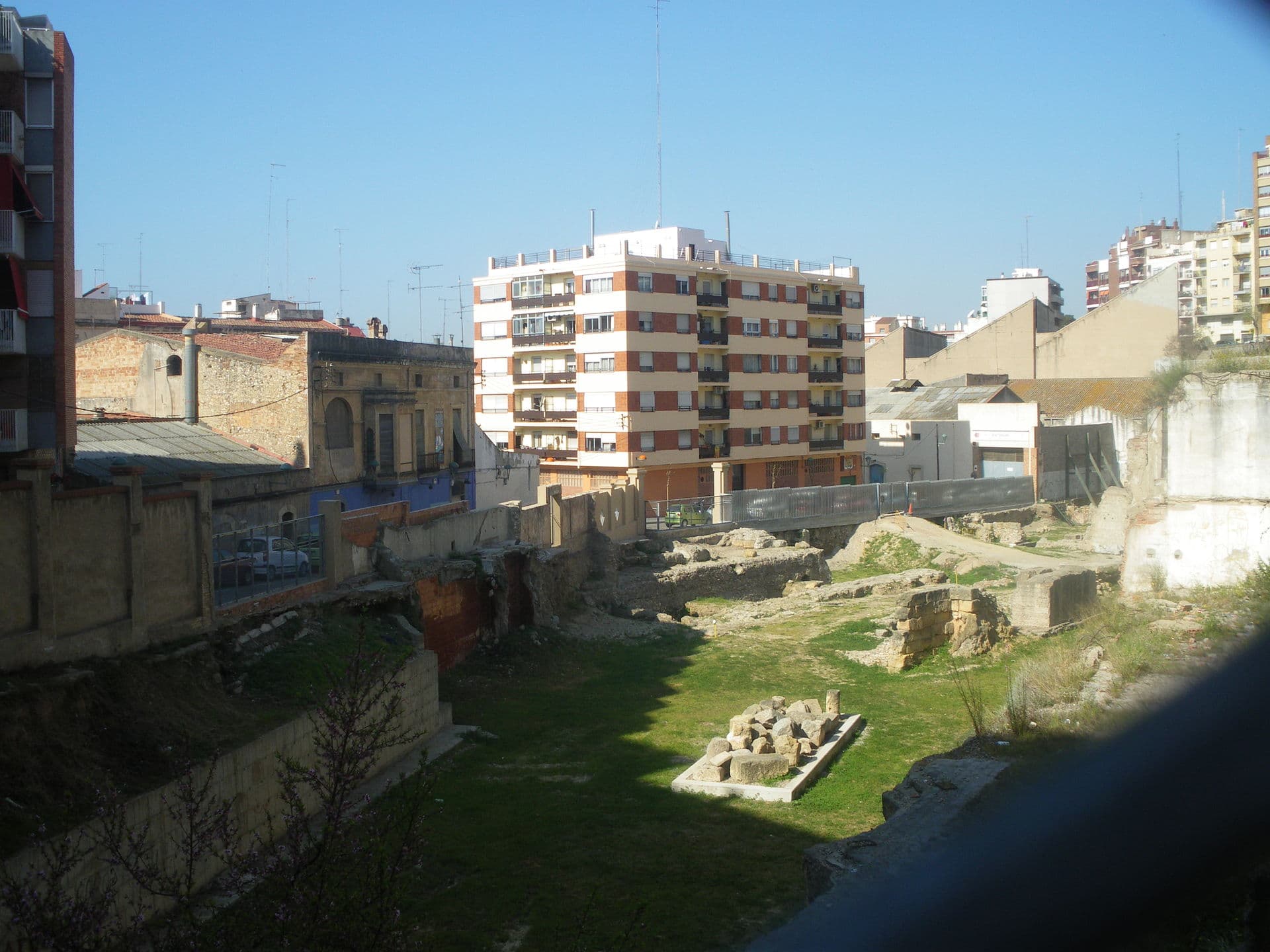
10 UNESCO World Heritage monuments. More Roman architecture per square kilometre than any other Spanish city. The Amphitheatre, the Circus, the 3rd-century BC walls — all here, walkable from the centre.
Castellers: the most human UNESCO heritage
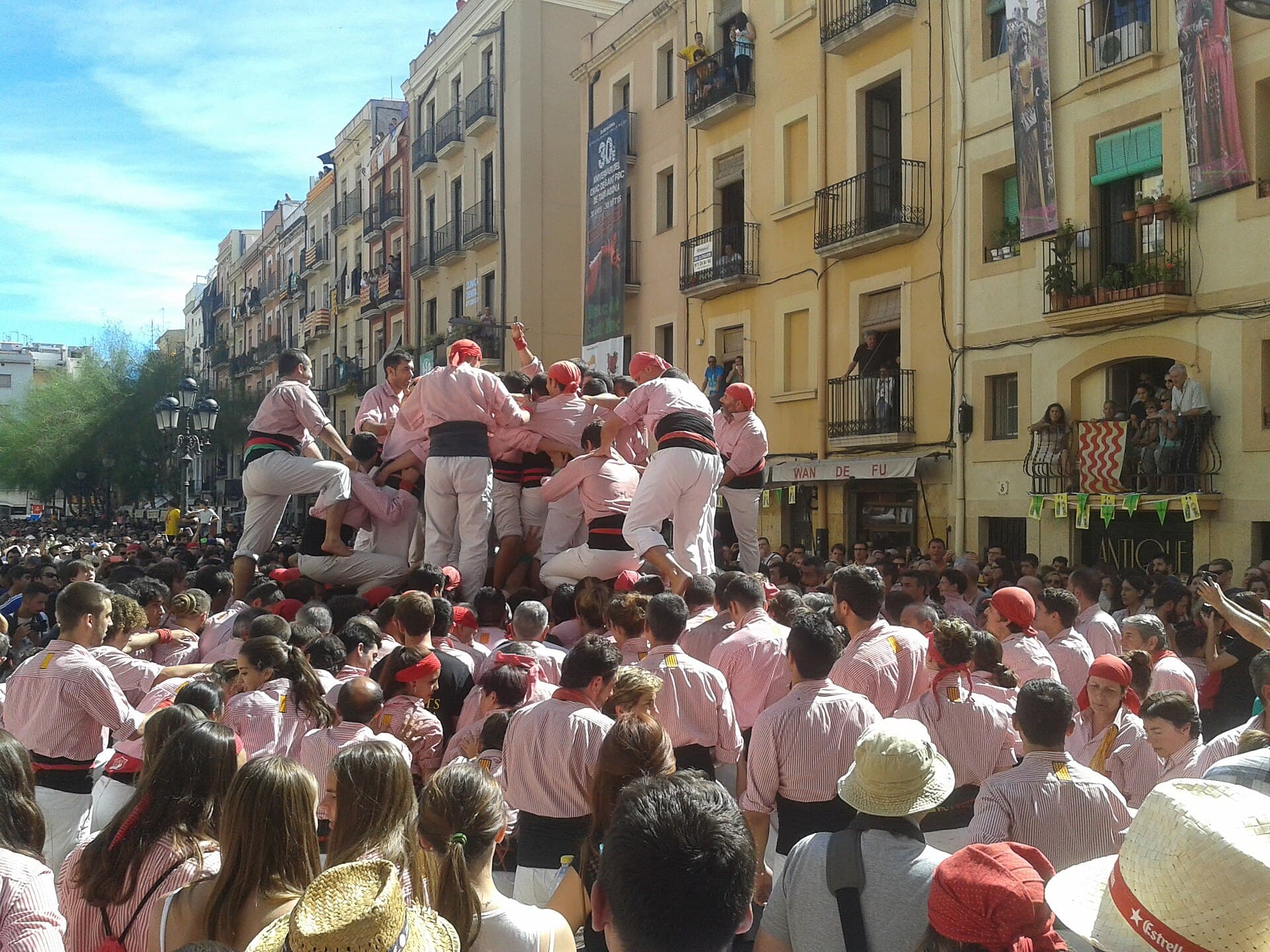
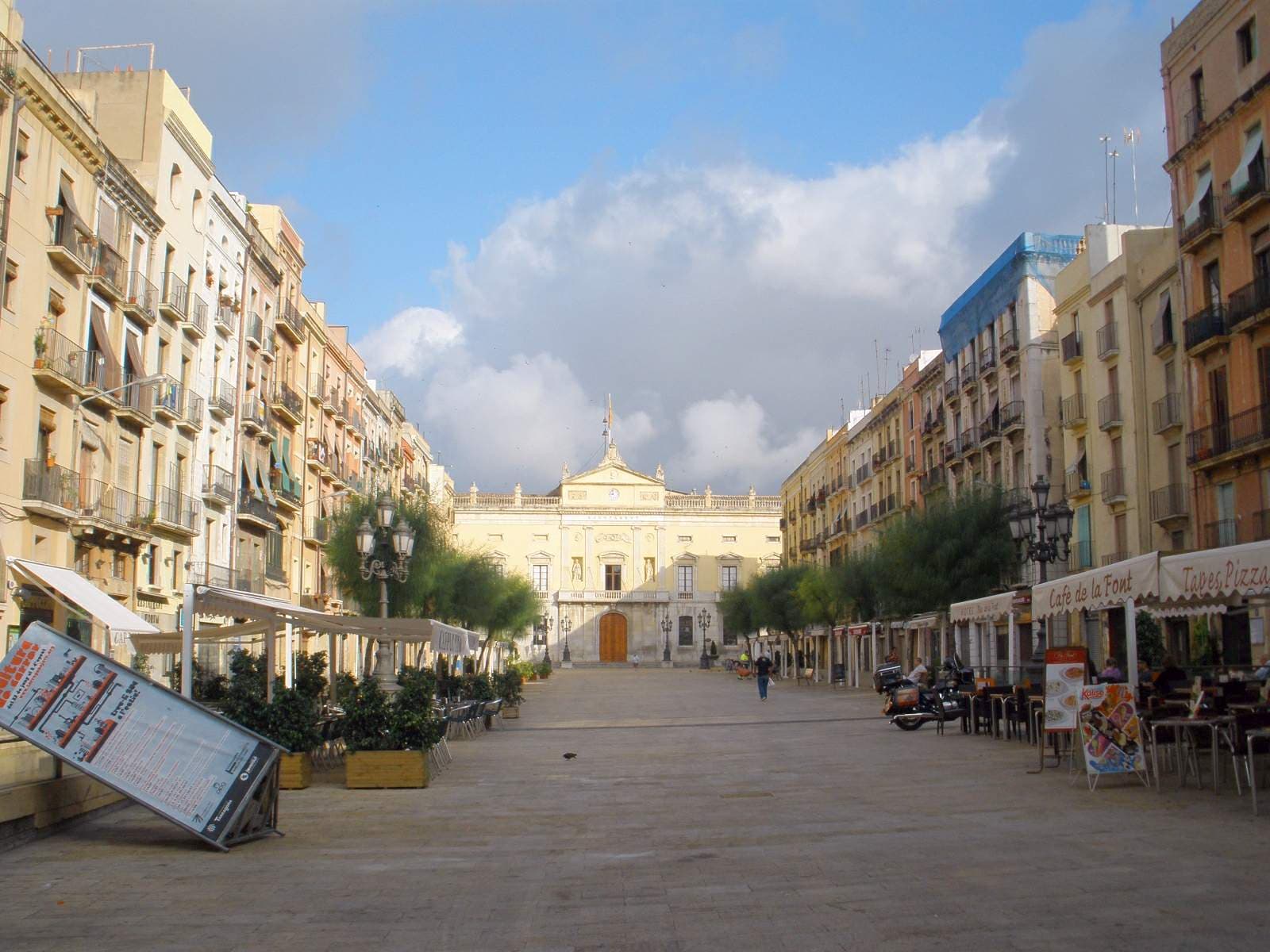
Every September, the Plaça de la Font trembles with human towers up to 10 storeys high. UNESCO declared them Intangible Heritage of Humanity in 2010.
World-class gastronomy
14 restaurants in the Michelin Guide. The most prized red prawns in the Mediterranean, romesco sauce with centuries of history, and Delta del Ebro rice 80 km away.
The most unique beach in the world
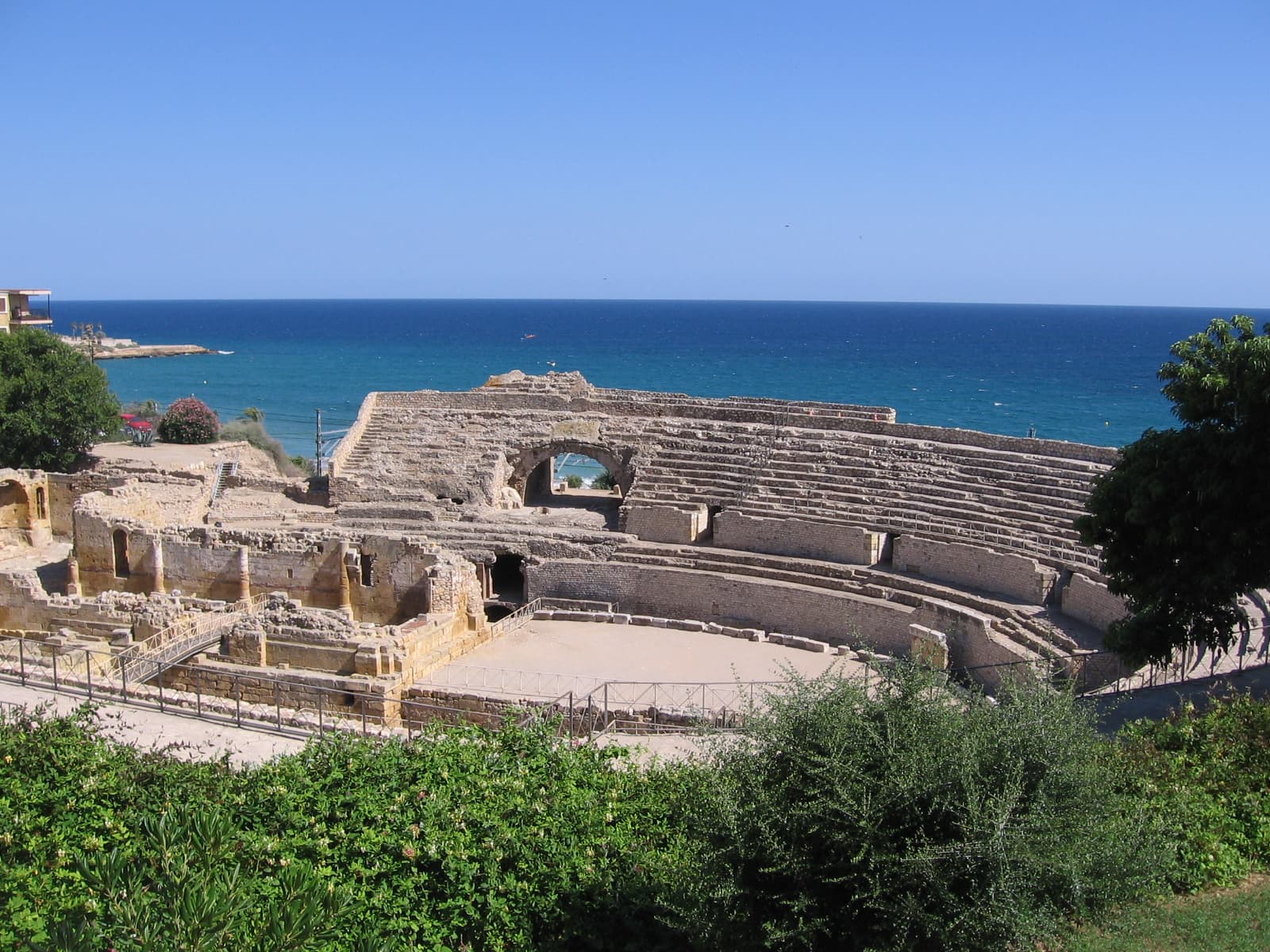
Only in Tarragona can you swim with a 2,000-year-old Roman amphitheatre as backdrop. Playa del Miracle, at the foot of the city's most iconic monument.
30 km from Spain's best wine
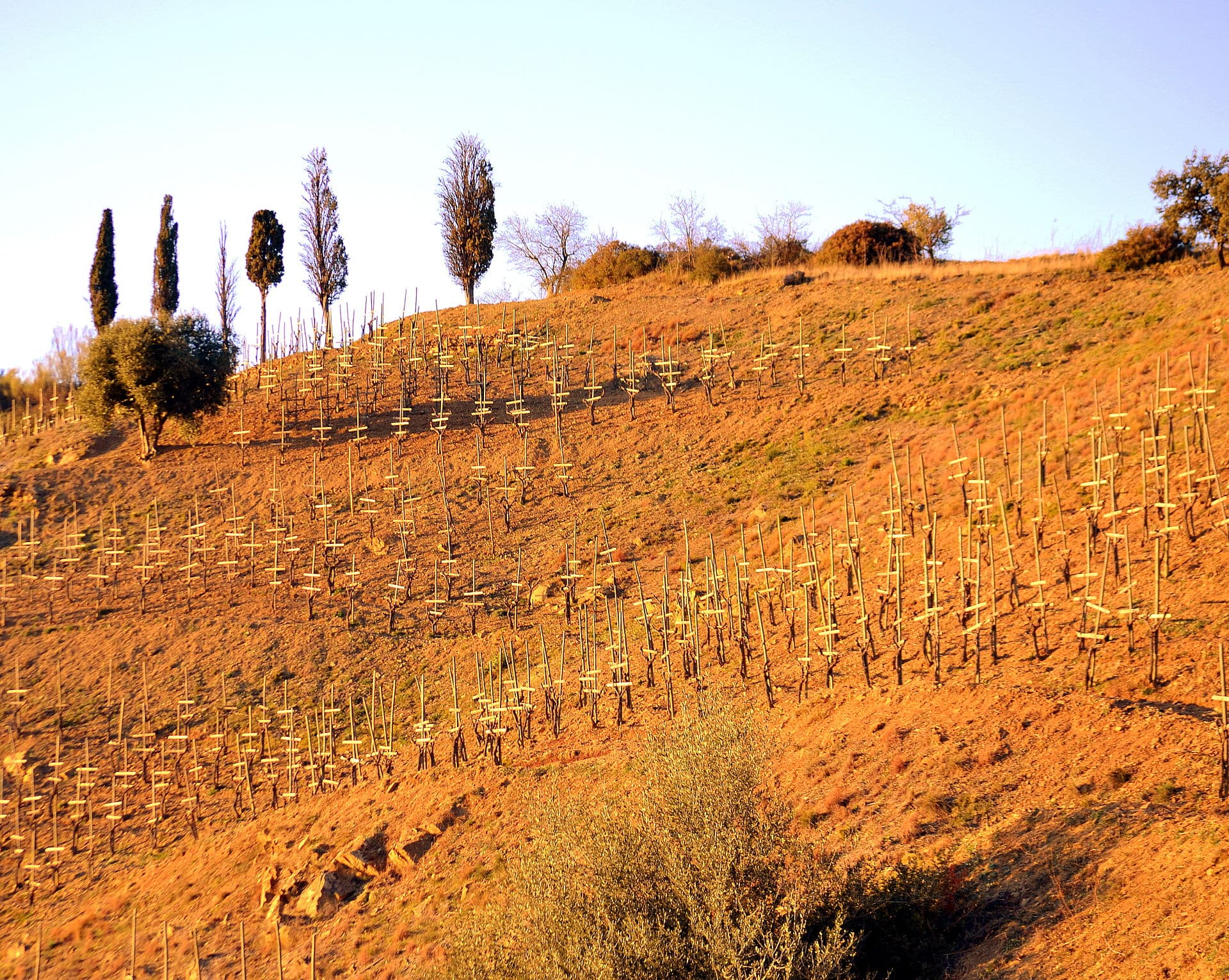
Priorat (DOQ), one of only two wines with Spain's highest classification, is born in the mountains 30 km from Tarragona. Pure garnacha on volcanic slate.
Everything on foot, no crowds
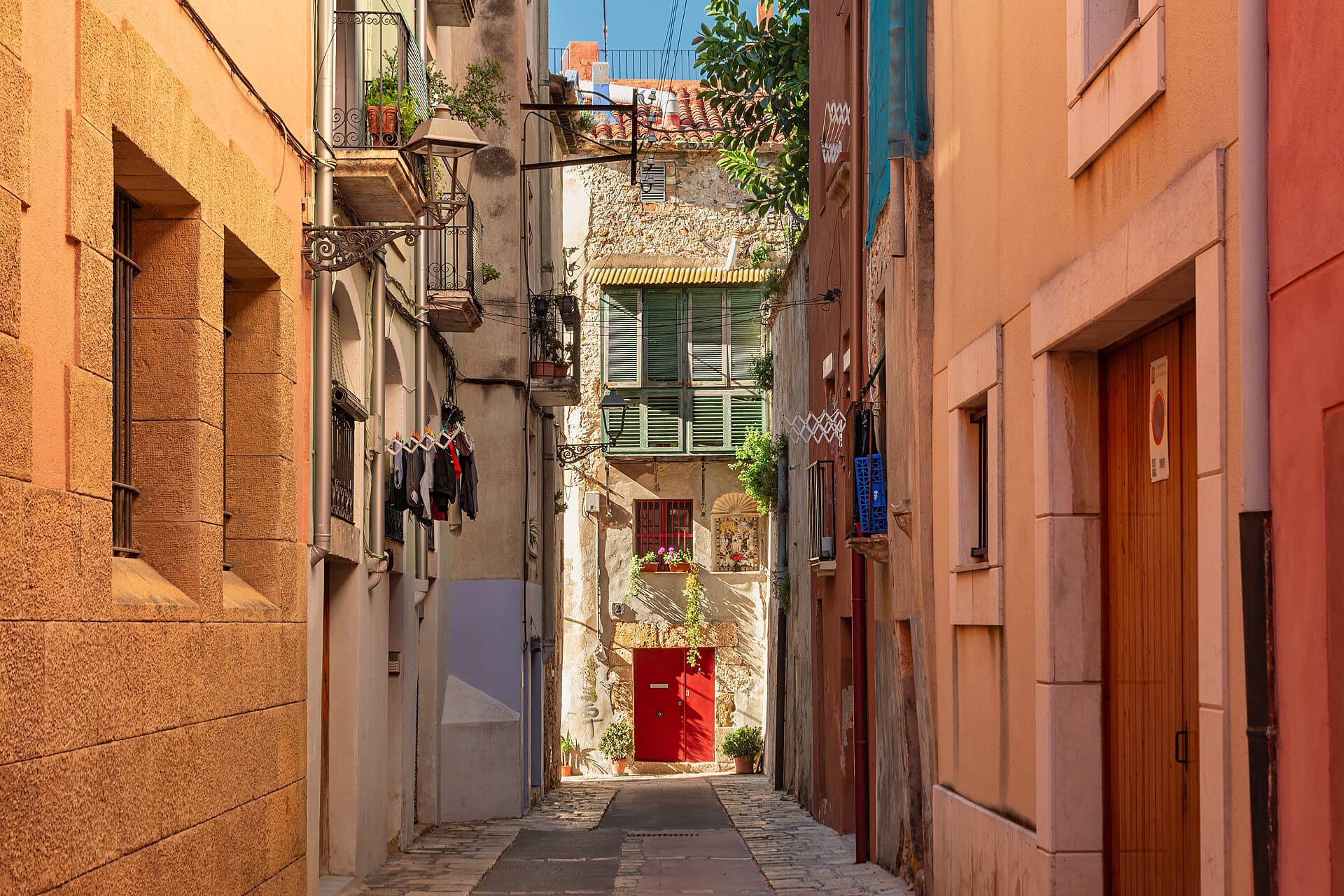
The historic centre is compact and entirely pedestrianised. Roman monuments, the medieval Cathedral, the best restaurants, the beaches — all within 15 minutes on foot.
UNESCO World Heritage · Year 2000
Tarraco: when
Rome looked at the sea
Founded in 218 BC as a military base, Tarraco grew to become the capital from which Rome governed all of Hispania. The Amphitheatre facing the sea, the longest Circus on the Peninsula, the oldest walls in Spain, the Pont del Diable still carrying water — all within 2 km.
In 2000, UNESCO declared the Archaeological Ensemble of Tarraco a World Heritage Site. Not because it is well preserved, but because it is the most authentic and integrated Roman ensemble in a living European city.
Discover its history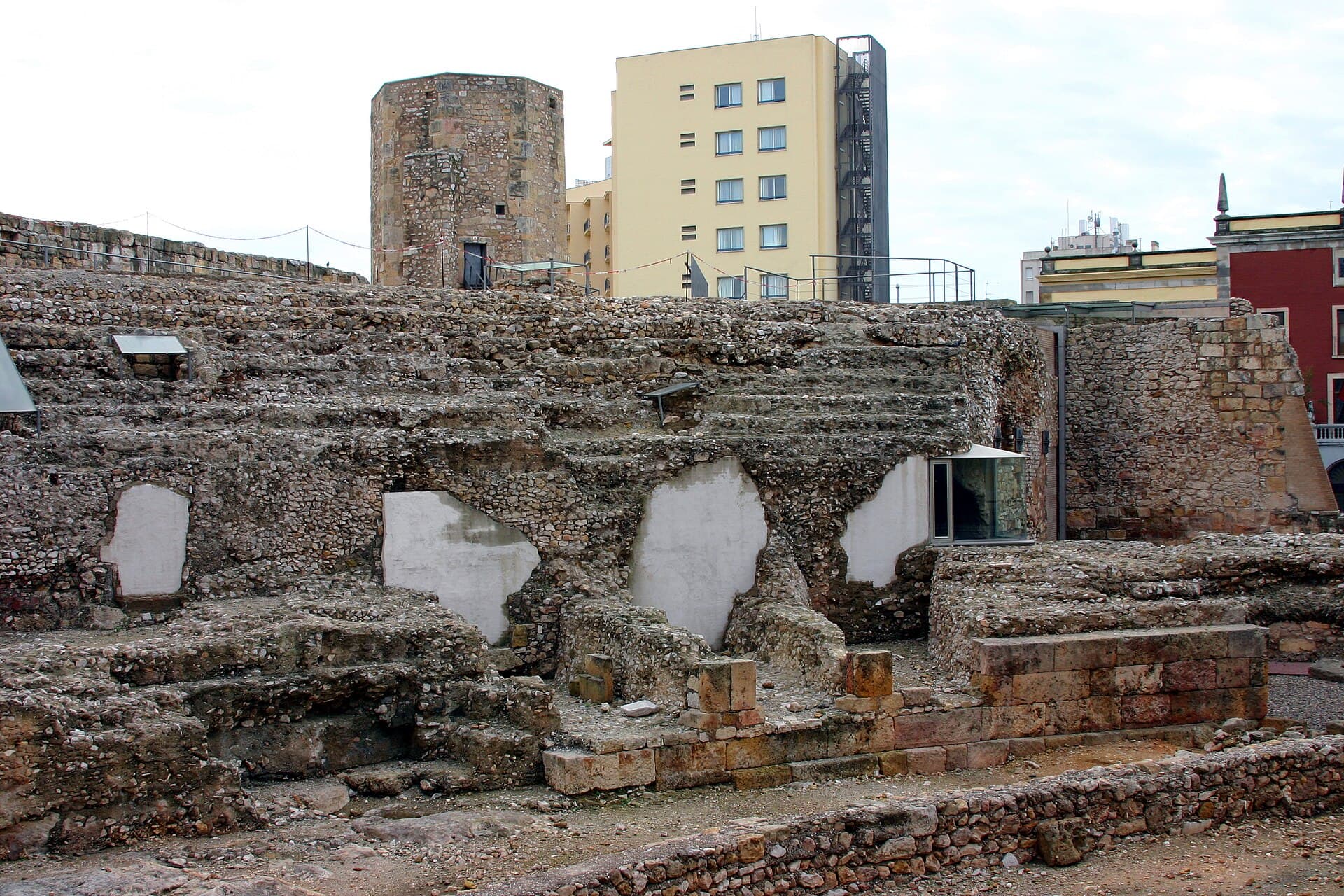
10 monuments · UNESCO 2000
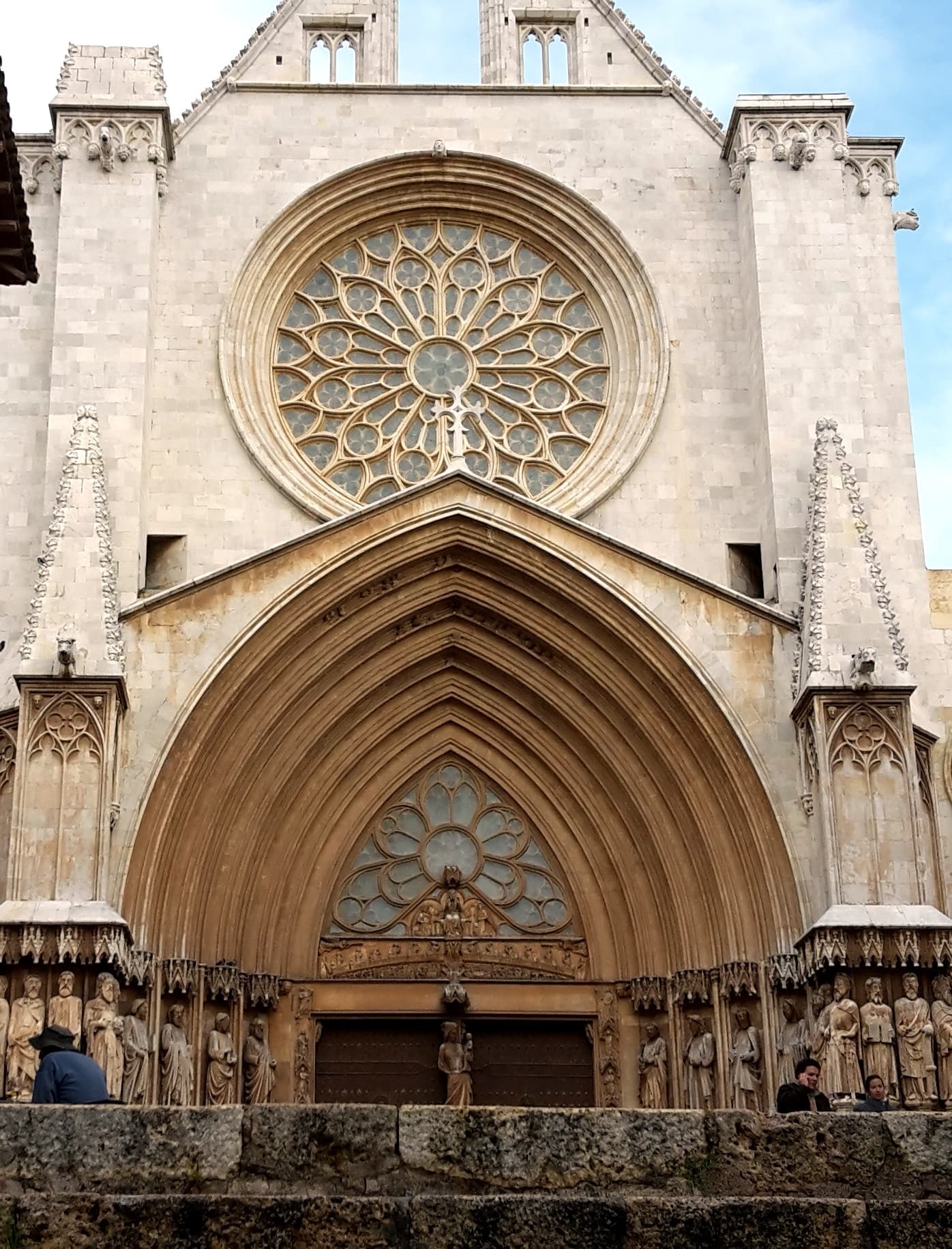
The monuments of Tarraco
The most complete Roman architectural ensemble outside Italy. All on foot, all in the city centre, all with over 2,000 years of history.
First-class Mediterranean cuisine
The gastronomy
of kings
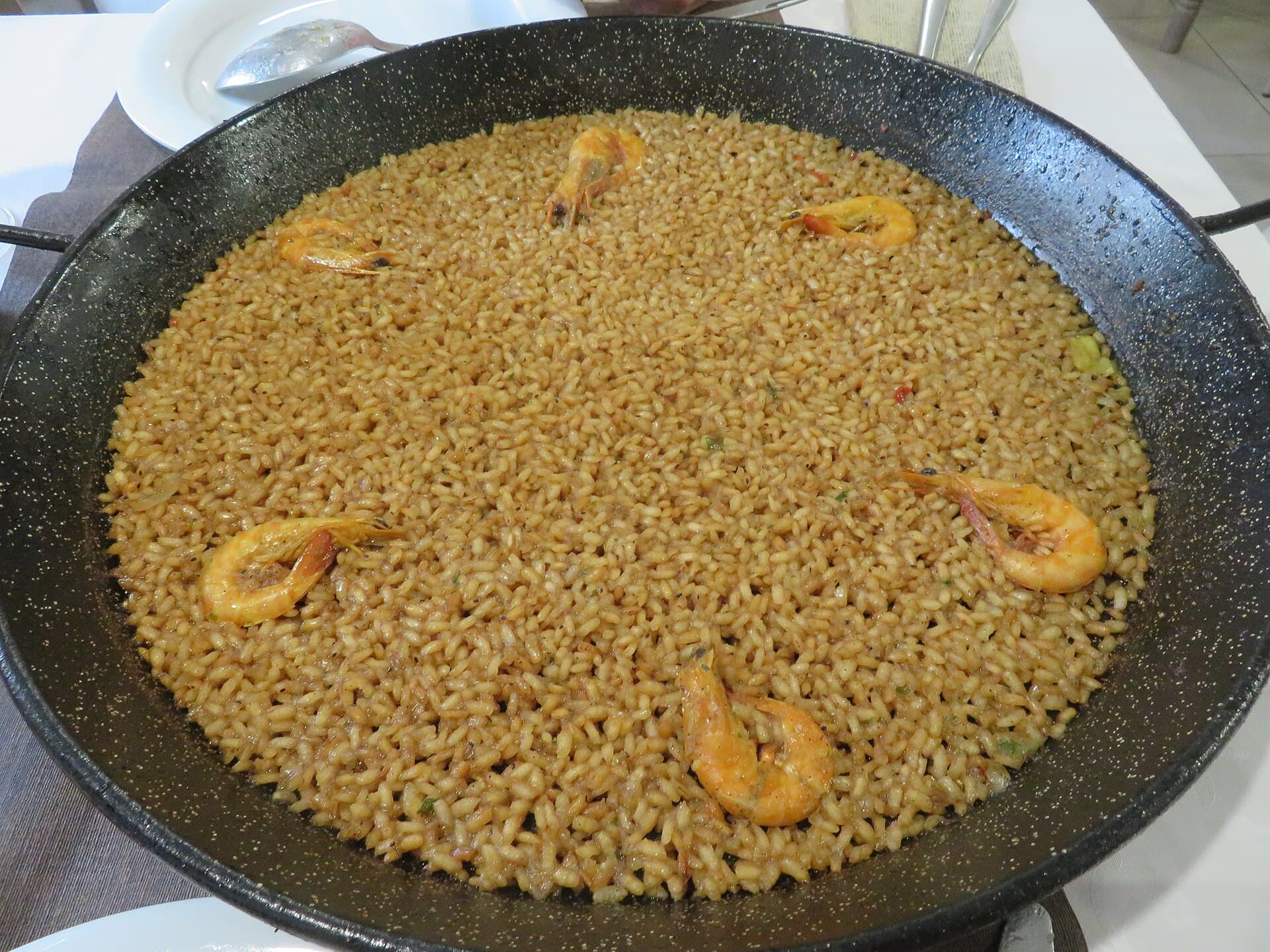
14 restaurants in the Michelin Guide make Tarragona one of the most awarded gastronomic destinations in Catalonia. The red prawn fished from deep waters off the coast, Delta del Ebro rice 80 km away, Reus hazelnuts (the secret ingredient in romesco) and Priorat wines 30 km away compose a unique pantry in the world.
UNESCO Intangible Heritage
The most unique festivals in Catalonia
Santa Tecla, with over 500 years of history. Castellers declared Intangible Heritage of Humanity. Tarraco Viva, the largest Roman festival in Europe. Tarragona celebrates life in a way like nowhere else.
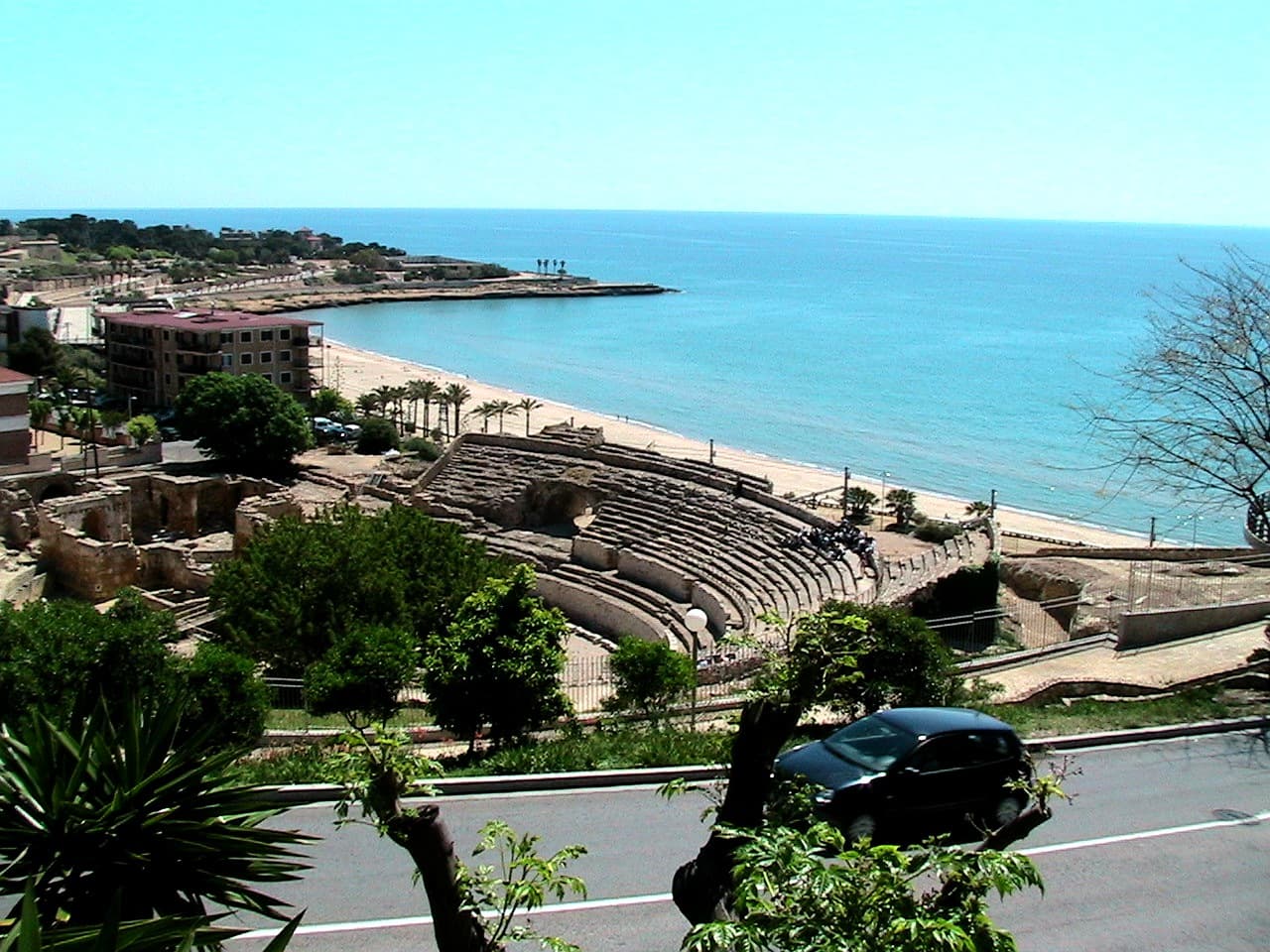
Costa Daurada · 50 km of golden sand
Only in Tarragona:
beach + Roman amphitheatre
Playa del Miracle, unique in the world, is at the foot of the Roman Amphitheatre. 2,000 years of history 50 metres from the water.
See the 8 best beachesPart Alta · Rambla Nova · Serrallo
A night among
Roman walls
An artisan cocktail in a 12th-century vaulted cellar. Priorat wines by the glass while Roman stones surround you. Sunset from the Balcó del Mediterrani with the Amphitheatre behind. The seafaring terrace of the Serrallo with sea breeze.
in summer
Tarragona by numbers
Figures that impress
What you won't find in guidebooks
Tarragona's secrets
The fish auction
Every afternoon between 4–6 pm, boats unload at the Serrallo and the fish is auctioned. Free, authentic and completely unknown to tourists.
The oldest café
The Cafè de la Plaça de la Font has been open since 1880. Tarraconenses rehearse the castellers in the square outside. The same square, the same gestures, 140 years.
The underground Circus
The vaults of the Roman Circus (1st century AD) are literally below the Plaça del Rei. You go down modern stairs and arrive in 90 AD.
Cala Fonda with no tourists
The most beautiful cove in the area (Waikiki) is only accessible on foot through the Bosc de la Marquesa. 20 minutes of trail and turquoise water all to yourself (before 10am).
Sunday vermut ritual
On Sundays at 12:30pm, tarraconenses fill every terrace in the Part Alta with draught vermouth, anchovies and conversation. The city's most sacred ritual.
The walls at night
Walking the Passeig Arqueològic along the Roman walls at night, with few people and the illuminated city below, is one of the most beautiful experiences in Tarragona.
When to visit
Mediterranean climate all year round
Tarragona has one of the most pleasant climates in Spain. Winters are mild (12–14°C average), summers warm but with Mediterranean breeze, and spring and autumn are perhaps the best times to visit: fewer tourists, same water temperature, same monuments.
From Tarragona
Essential
day trips
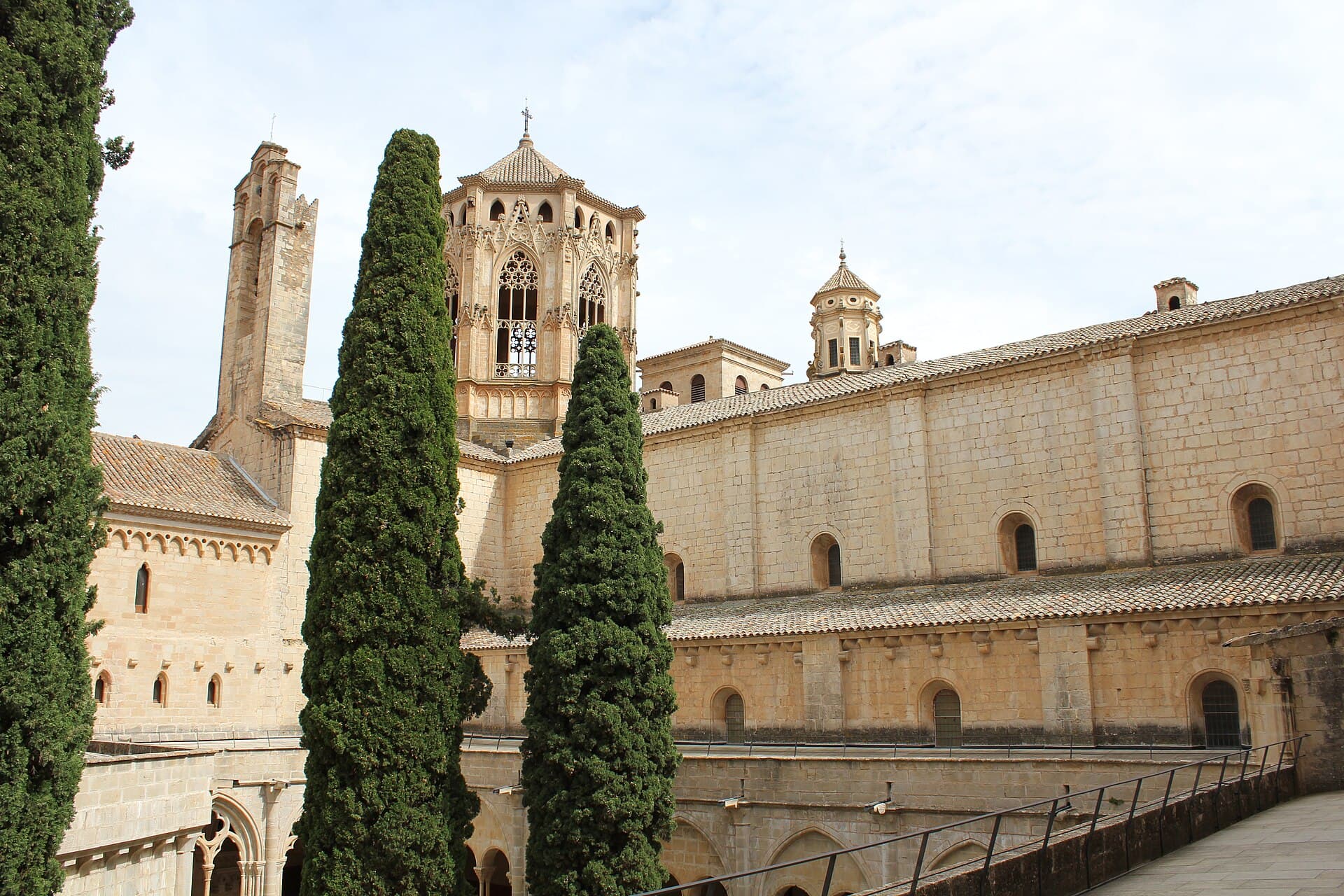
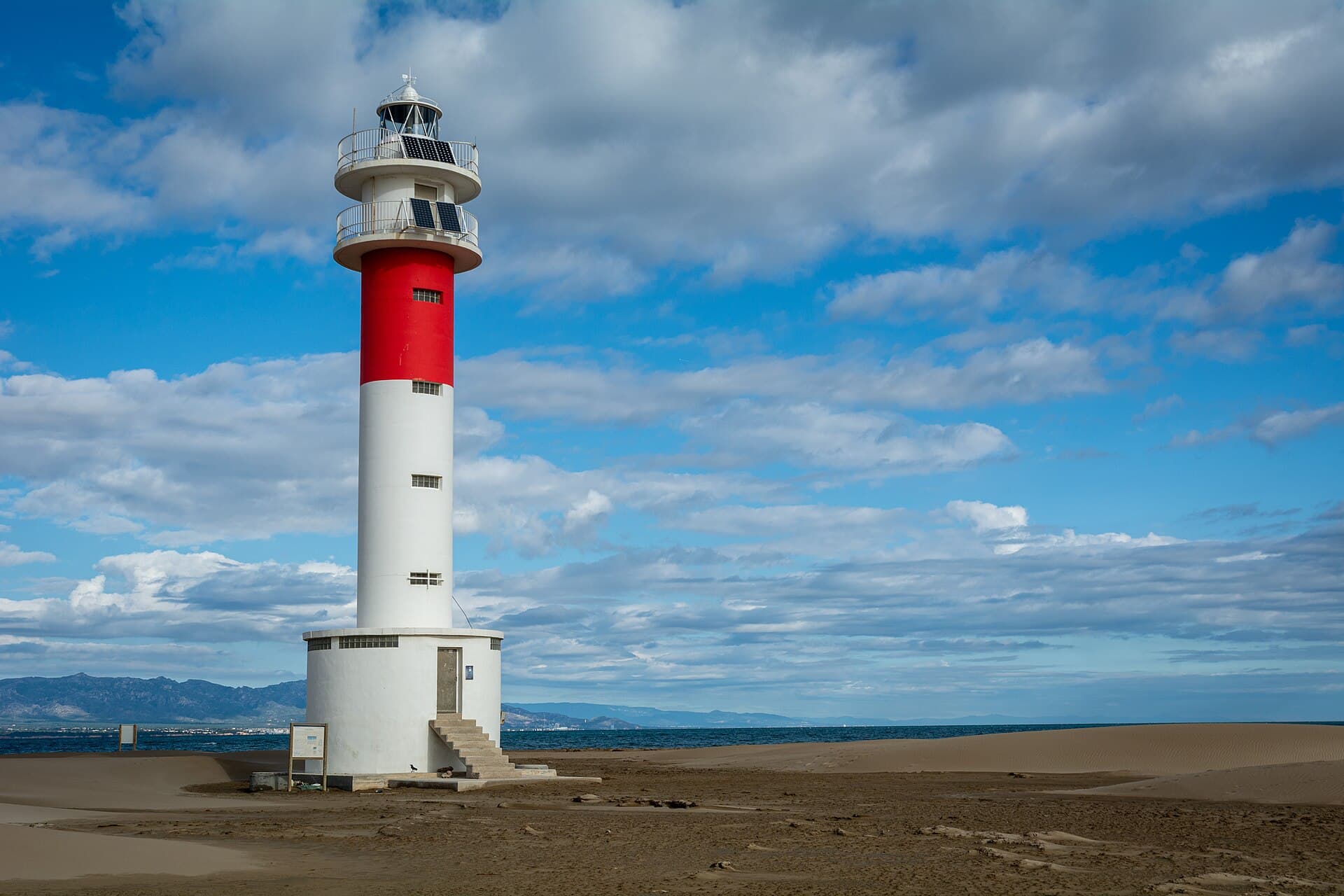
Priorat 30 km away, Poblet (UNESCO) 45 km, the Ebro Delta 80 km. Tarragona is the perfect base for exploring one of Spain's richest regions.
Getting here is easy
How to get to
Tarragona
35 minutes from Barcelona by high-speed rail. 2h 30 min from Madrid. The entire historic centre can be explored on foot.
Full guide →
It's waiting for you
Tarragona is waiting
2,200 years of history, the best seafood in the Mediterranean, golden sandy beaches and festivals that move you. Some cities you see. Tarragona you live.