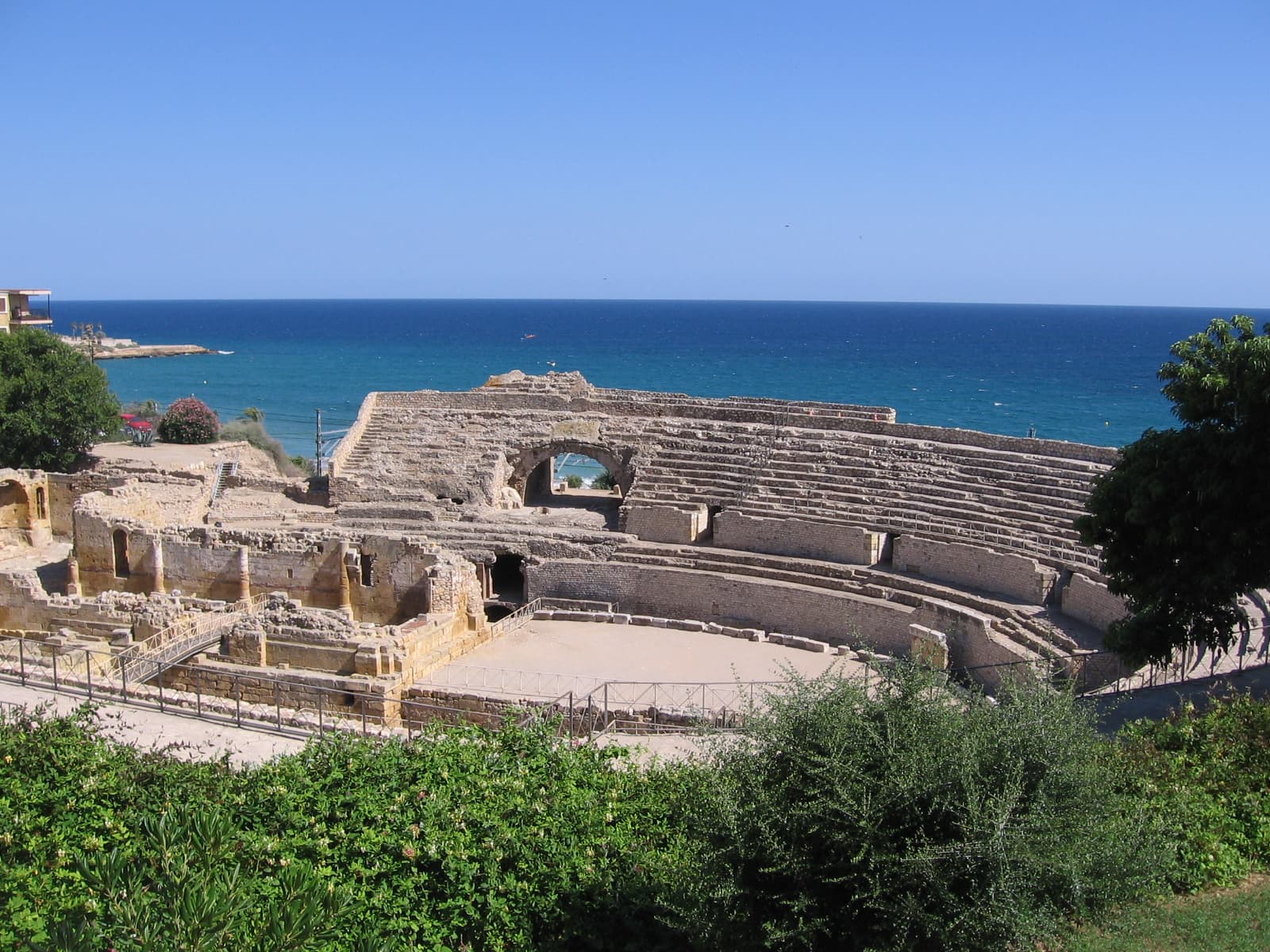
2,500 years of continuous history
History of Tarragona
From the first Roman colony in the Iberian Peninsula to a UNESCO World Heritage city. 2,500 years of uninterrupted history on the shores of the Mediterranean.
Few cities in the world can say that a Roman emperor ruled the world from their streets. Tarragona can.
2,200 years of uninterrupted history. Not as a relic, but as a living city where the monuments of the Roman Empire coexist with Michelin-starred restaurants, medieval processions and 21st-century castellers.
The Rome of the Mediterranean. The capital the emperors chose. The city that never stopped building on itself. Welcome to the history of Tarragona.
Tarraco, Capital of the Empire
Founded in 218 BC as a military base by Gnaeus Cornelius Scipio, Tarraco grew to become the most important city in Hispania. Between 25–26 BC, Emperor Augustus chose it as the capital from which he governed the entire Roman Empire — not just Hispania. He lived here for two years. He minted coins bearing his image here. He built the Peninsula's greatest monuments here.
- ▸218 BC — Roman foundation. Military base of Gnaeus Cornelius Scipio
- ▸45 BC — Julius Caesar raises Tarraco to Colonia Iulia Urbs Triumphalis
- ▸25–26 BC — Emperor Augustus governs the Empire from Tarraco
- ▸1st–2nd c. AD — Height of power: up to 40,000 inhabitants. City in full glory
- ▸259 AD — Martyrdom of Saint Fructuosus and his deacons in the Amphitheatre
- ▸4th c. AD — Theodosius proclaimed Emperor in Tarraco (379 AD)
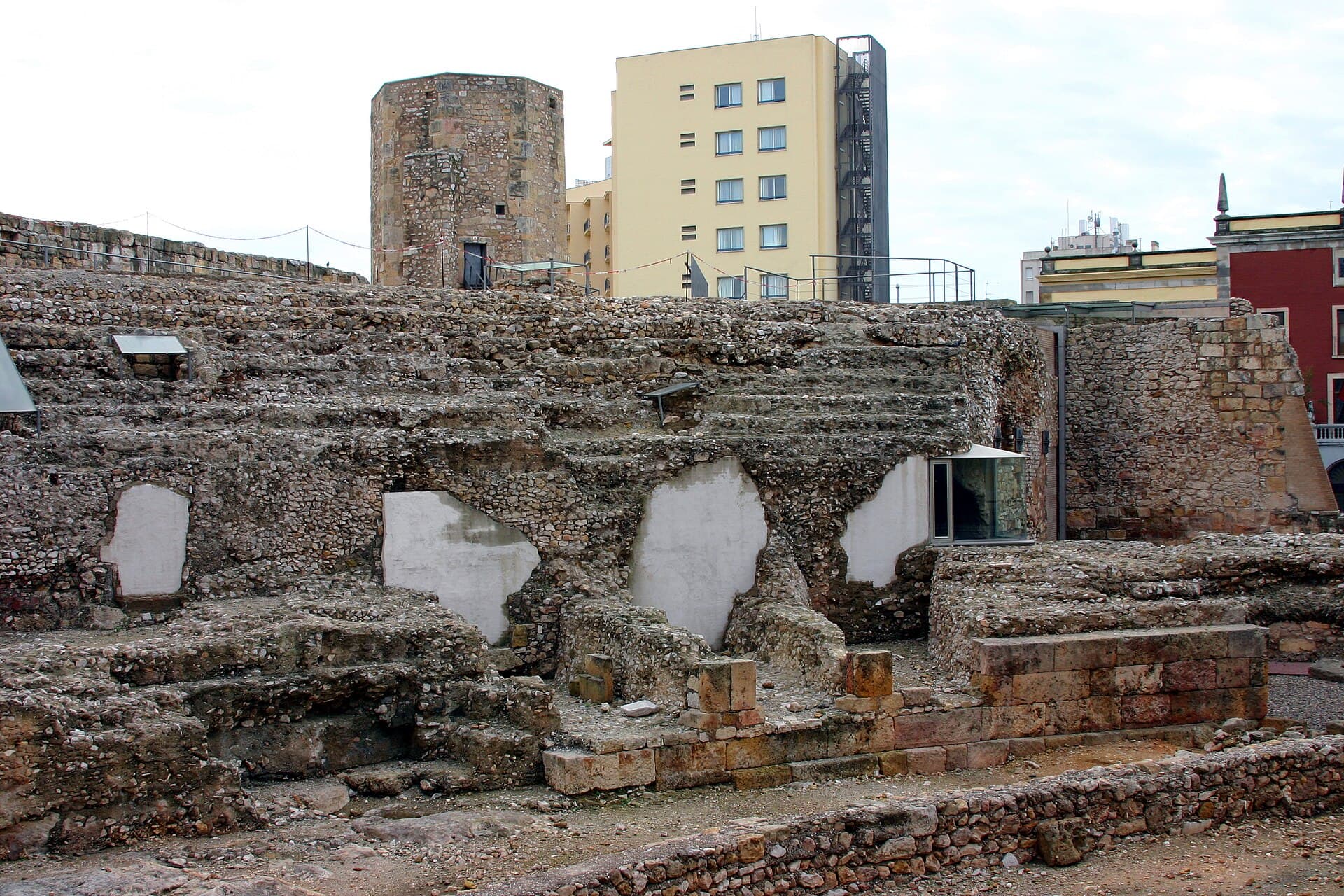
Four Centuries of Silence
The barbarian invasions of the 5th century and the Muslim conquest in 714 AD turned the great Tarraco into a ghost town. For four centuries, one of the most important cities of the Roman Empire lay virtually empty. Only the stones remembered its greatness. The silence lasted until the Christian resettlement of the 12th century.
- ▸5th c. AD — Visigoth invasions. Beginning of economic and demographic decline
- ▸714 AD — Muslim conquest. City almost definitively depopulated
- ▸8th–11th c. — Four centuries of abandonment. Only the episcopal see survives
- ▸Pliny the Elder described Tarraco as 'the most brilliant city in Hispania' — it was already history
The Reconquest and Medieval Splendour
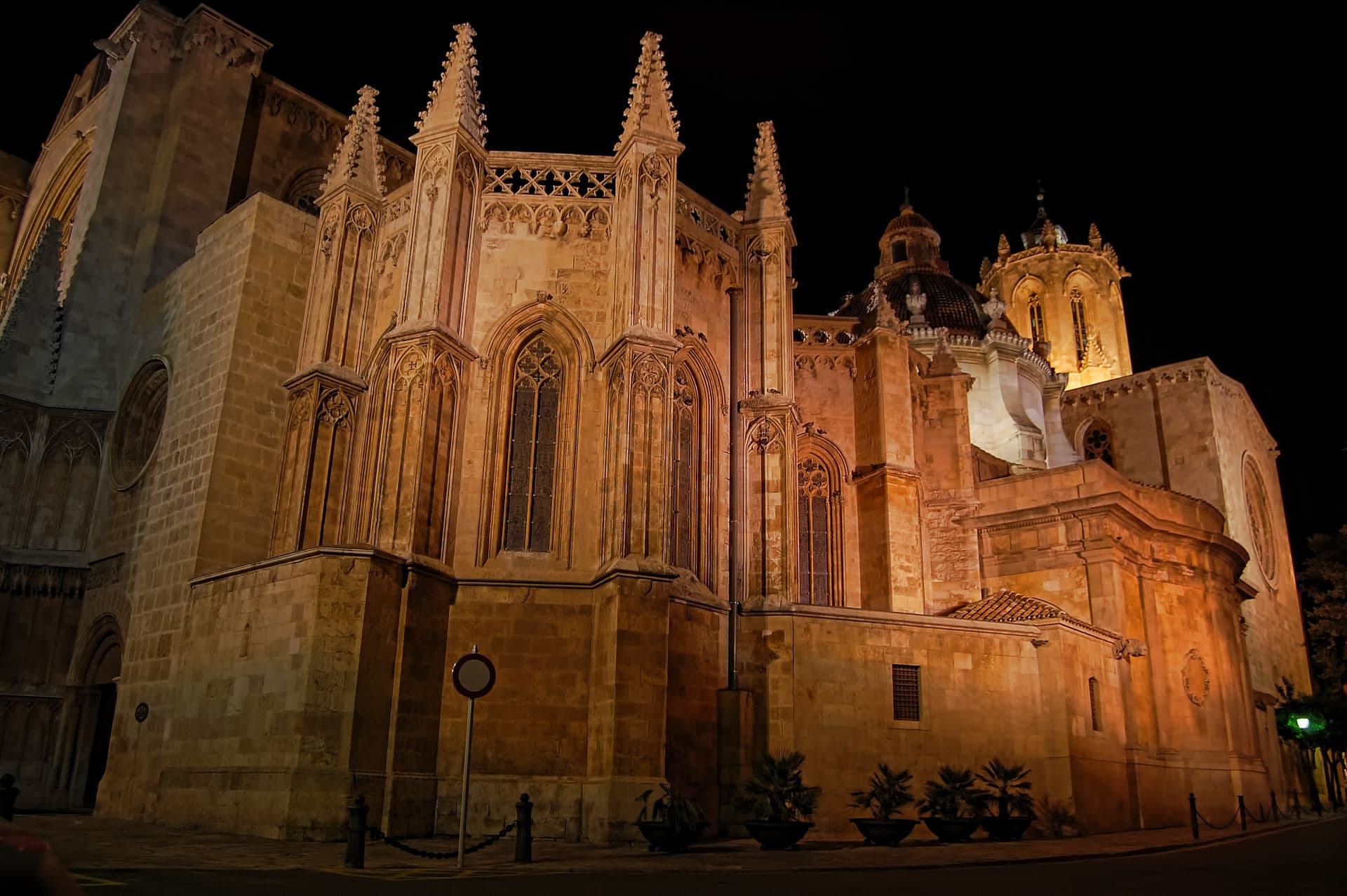
In 1129 medieval resettlement begins. In 1146 construction starts on the Cathedral of Santa Tecla — built over the ruins of the Temple of Augustus itself, symbolising a city that builds its future on its past. The cathedral was consecrated in 1331. Tarragona flourished as an archiepiscopal capital with one of Catalonia's most important Jewish quarters.
- ▸1129 — Robert Bordet initiates medieval resettlement
- ▸1146 — Construction of the Cathedral begins, over the Temple of Augustus
- ▸13th c. — Large Jewish quarter in the Plaça dels Àngels neighbourhood. Ecclesiastical councils
- ▸1321 — First recorded mention of the Festes de Santa Tecla
- ▸1331 — Consecration of the Cathedral. The jewel of Catalan Romanesque-Gothic
- ▸1348 — The Black Death devastates the city. Another cycle of decline begins
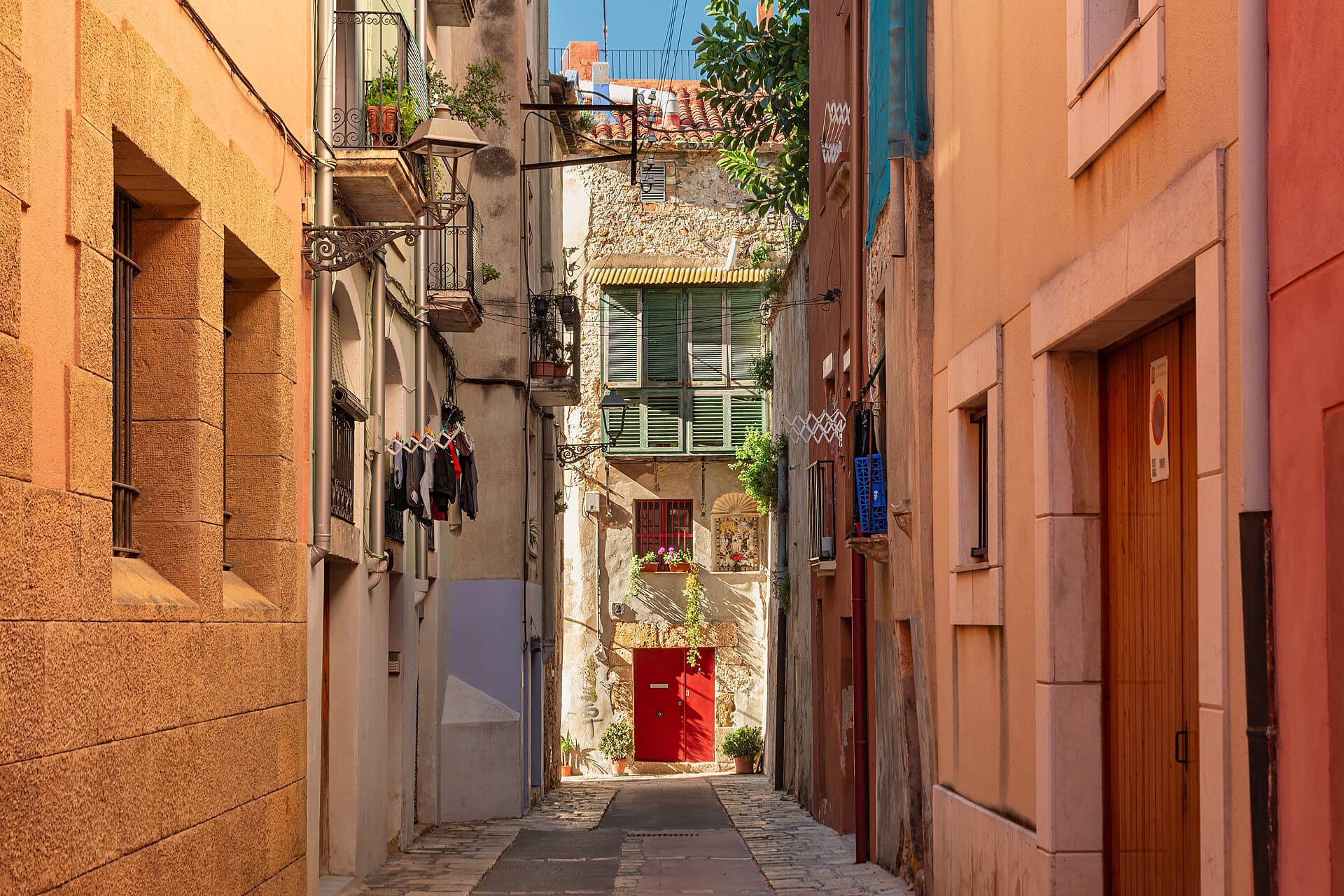
Wars, Sackings and Renaissance
Centuries of wars that forge the Tarragona identity. The Guerra dels Segadors (1640), the War of Succession (1714) and above all the brutal Napoleonic sacking of 28 June 1811 — when General Süchet's troops murdered over 6,000 civilian citizens in a massacre Tarragona will never forget. And yet the city resists, rebuilds itself, and with the railway of 1865 grows again.
- ▸1640 — Guerra dels Segadors. Tarragona at the epicentre of the conflict
- ▸1714 — War of Succession. Catalan defeat. Bourbon reprisals
- ▸28 June 1811 — Napoleonic sacking. Over 6,000 civilian deaths
- ▸1865 — Opening of the Barcelona–Valencia railway. A new beginning
- ▸Late 19th c. — Construction of the Eixample. Rise of the wine industry
UNESCO World Heritage Site
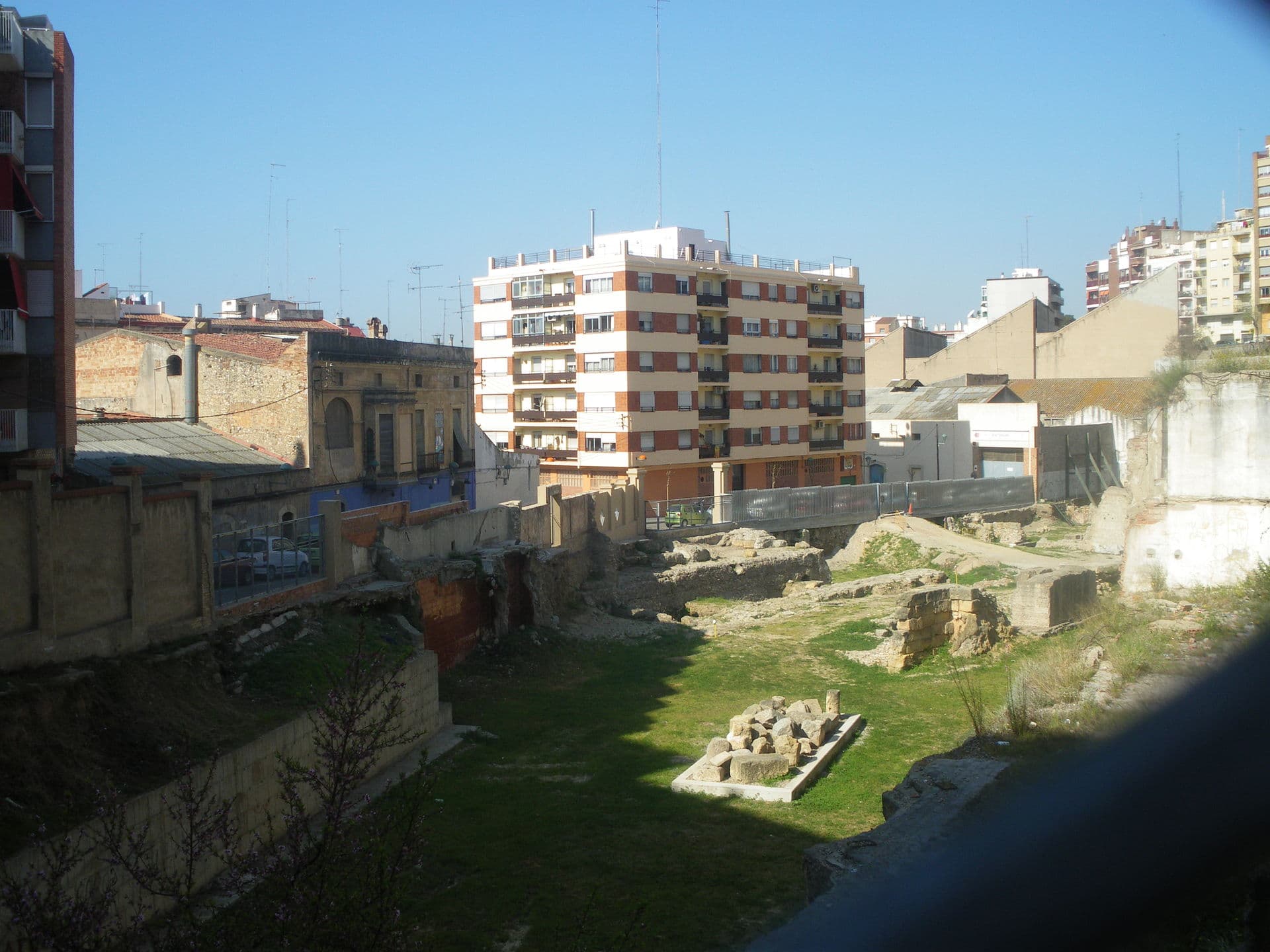
In the year 2000, UNESCO recognised what Tarragona has known for centuries: that its archaeological complex is one of the most exceptional in the world. Not only for its scale or state of preservation, but because everything is integrated into a living, pedestrian-friendly city that displays it with pride. Today Tarragona combines living history, award-winning gastronomy and the Mediterranean at its feet.
- ▸2000 — UNESCO World Heritage declaration: 10 exceptional elements
- ▸2010 — Castellers declared Intangible Cultural Heritage of Humanity
- ▸143,649 inhabitants today. University and port city
- ▸14 restaurants recommended by the Michelin Guide
- ▸Host of the biennial World Castells Championship (Concurs de Castells)
World Heritage · 2000
In 2000 UNESCO declared
Tarraco a World Heritage Site
The only Roman archaeological complex on the Iberian Peninsula recognised for its exceptional density, integrity and for being integrated into a completely living city — not in an archaeological park.
The 10 declared monuments
The most complete archaeological complex of Roman architecture on the Iberian Peninsula. UNESCO recognised them for their exceptional density, integrity and authenticity — and because they are integrated into a living city, not a dead archaeological park.