8 essential day trips · Day return
Day Trips from Tarragona
The Priorat 30 km away, Poblet Monastery (UNESCO) at 45 km, the Ebro Delta at 80 km. Tarragona is the perfect base to explore southern Catalonia.
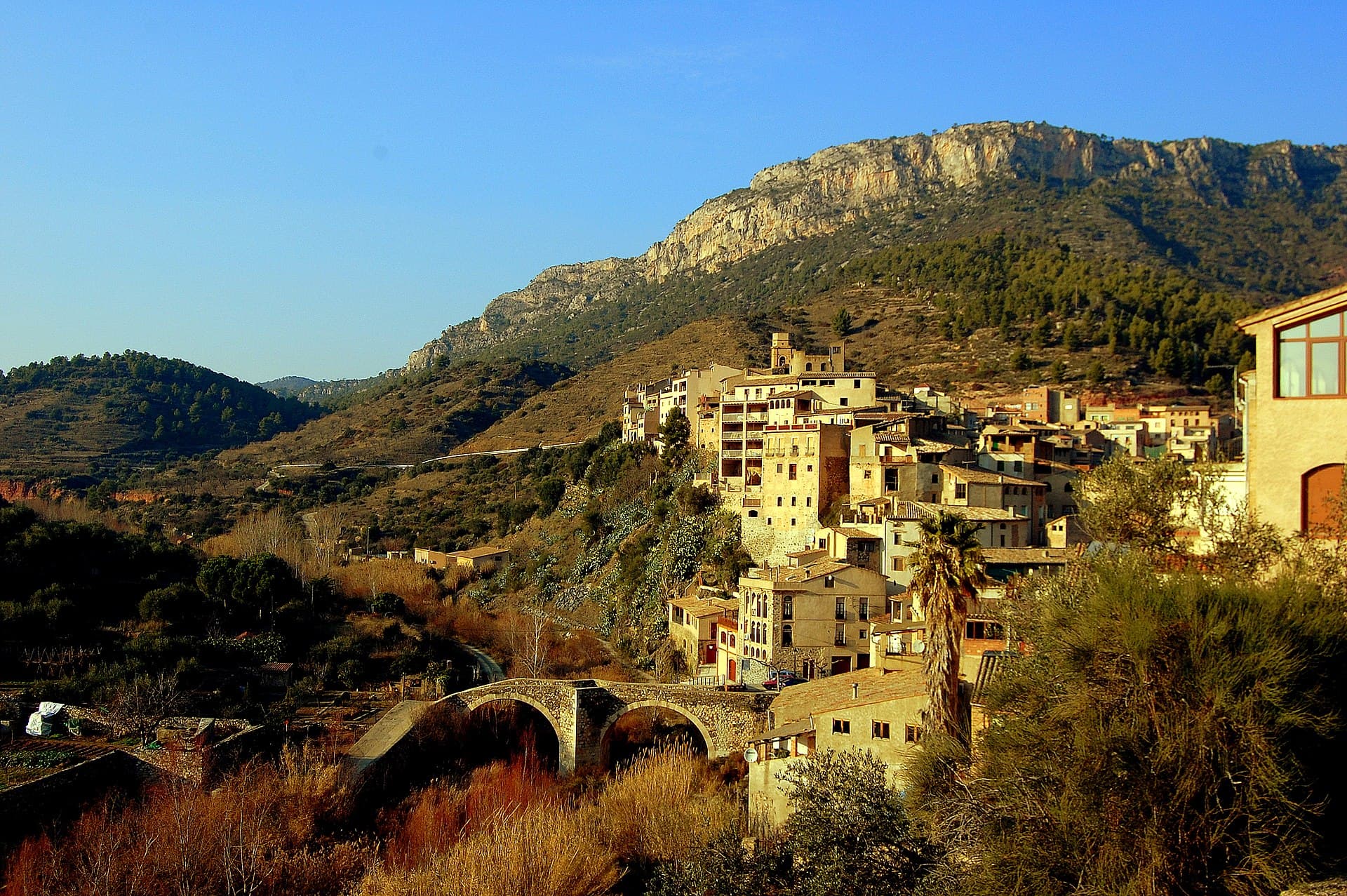
El Priorat
Spain's finest wine among the mountains
DOQ · One of only two wines with top qualification alongside Rioja
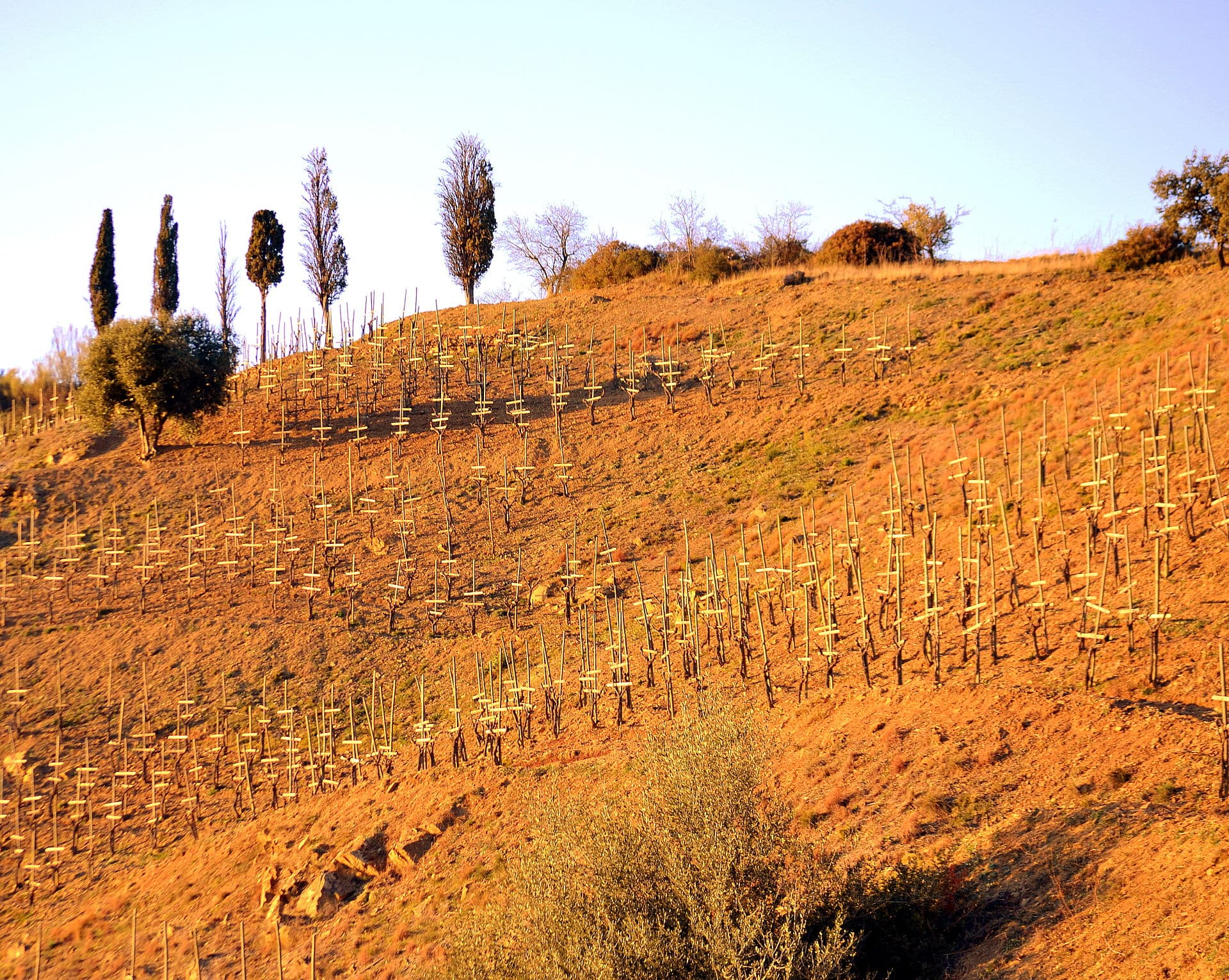
El Priorat is the best-kept secret half an hour from Tarragona. The Denominació d'Origen Qualificada (DOQ) — there are only two in Spain: Priorat and Rioja — produces grenache and carignan on a blue volcanic slate called llicorella found nowhere else in the world. The result is wines of great concentration, unique minerality and extraordinary aging potential. Wineries like Álvaro Palacios, Clos Mogador and Scala Dei are world references.
What to see & do
- ▸Siurana: medieval village on a cliff with extraordinary views over Priorat
- ▸Scala Dei Winery: the oldest winery in Priorat (12th century, Carthusian monks)
- ▸Crus del Priorat Trail: path through vineyards with 360° views
- ▸Cornudella de Montsant: medieval village with access to climbing walls
- ▸Falset: capital of Priorat, with weekly market and local restaurants
Book a winery visit in advance. Álvaro Palacios and Clos Mogador require reservations months ahead. For a first visit, Scala Dei and Mas Doix are very accessible.
Poblet Monastery
The royal pantheon of the Kings of Aragon
UNESCO World Heritage · Royal pantheon of the Crown of Aragon
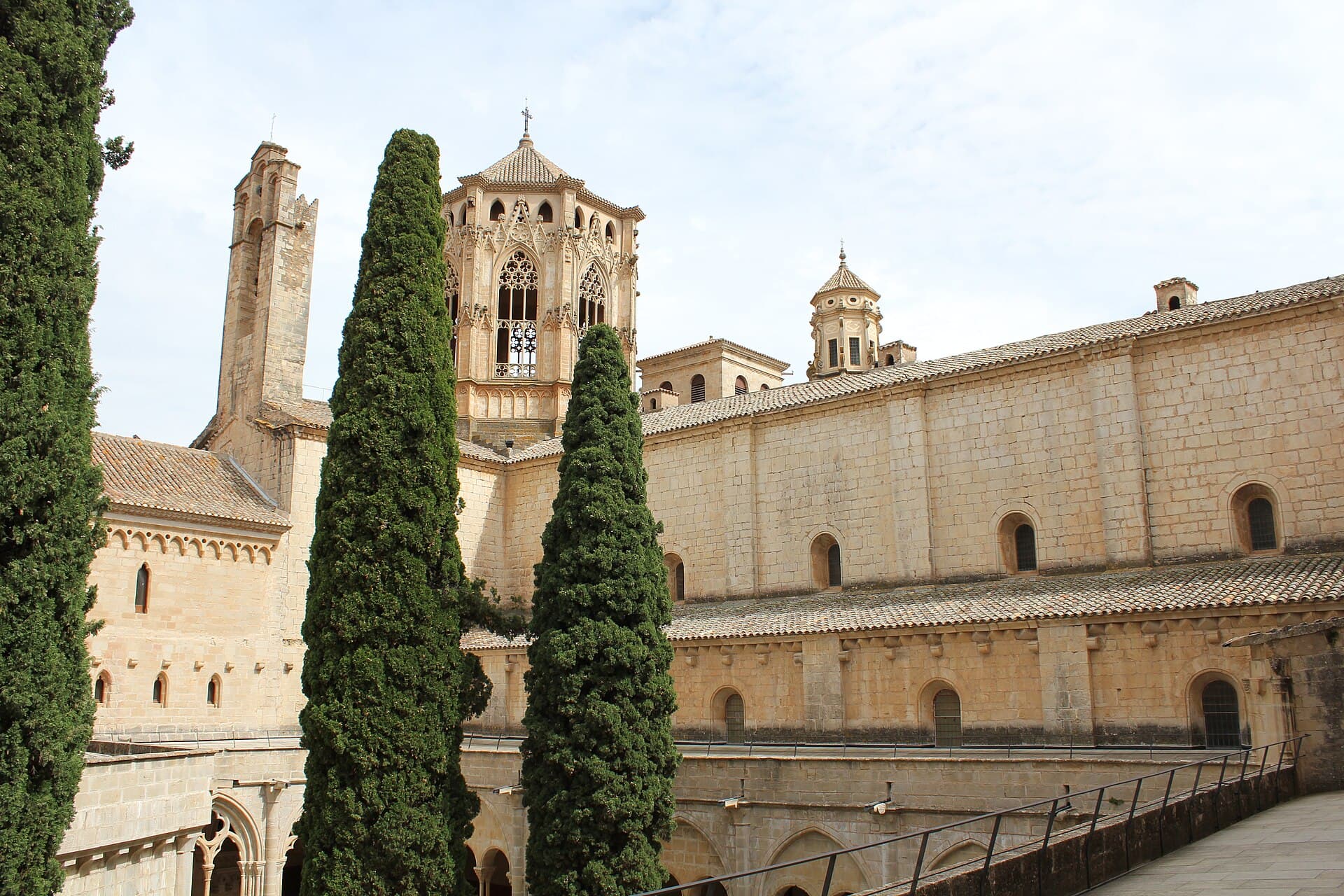
The Monastery of Santa María de Poblet is one of the best-preserved Cistercian monasteries in the world and a UNESCO World Heritage Site since 1991. Founded in 1151 by Count Ramon Berenguer IV, it became the royal pantheon of the Kings of the Crown of Aragon: Peter III the Great, Alfonso the Magnanimous and many other kings are buried here. Benedictine monks still live there today, and monastic life continues within its walls.
What to see & do
- ▸Abbatial Church: the finest Cistercian architecture in Spain
- ▸Royal Pantheon: sarcophagi of the medieval Kings of Aragon
- ▸Gothic Cloister: of perfect proportions, 12th–14th century
- ▸Chapel of Sant Jordi: with the coats of arms of the Crown of Aragon
- ▸Medieval Library: thousands of preserved manuscripts
The guided tour is mandatory and highly recommended: guides explain the history of each buried king. Lasts about 50 minutes. Combine it with an afternoon in Priorat (15 km further).
Ebro Delta
The largest wetland on the Iberian Peninsula
320 km² of rice paddies, flamingos and Delta eel
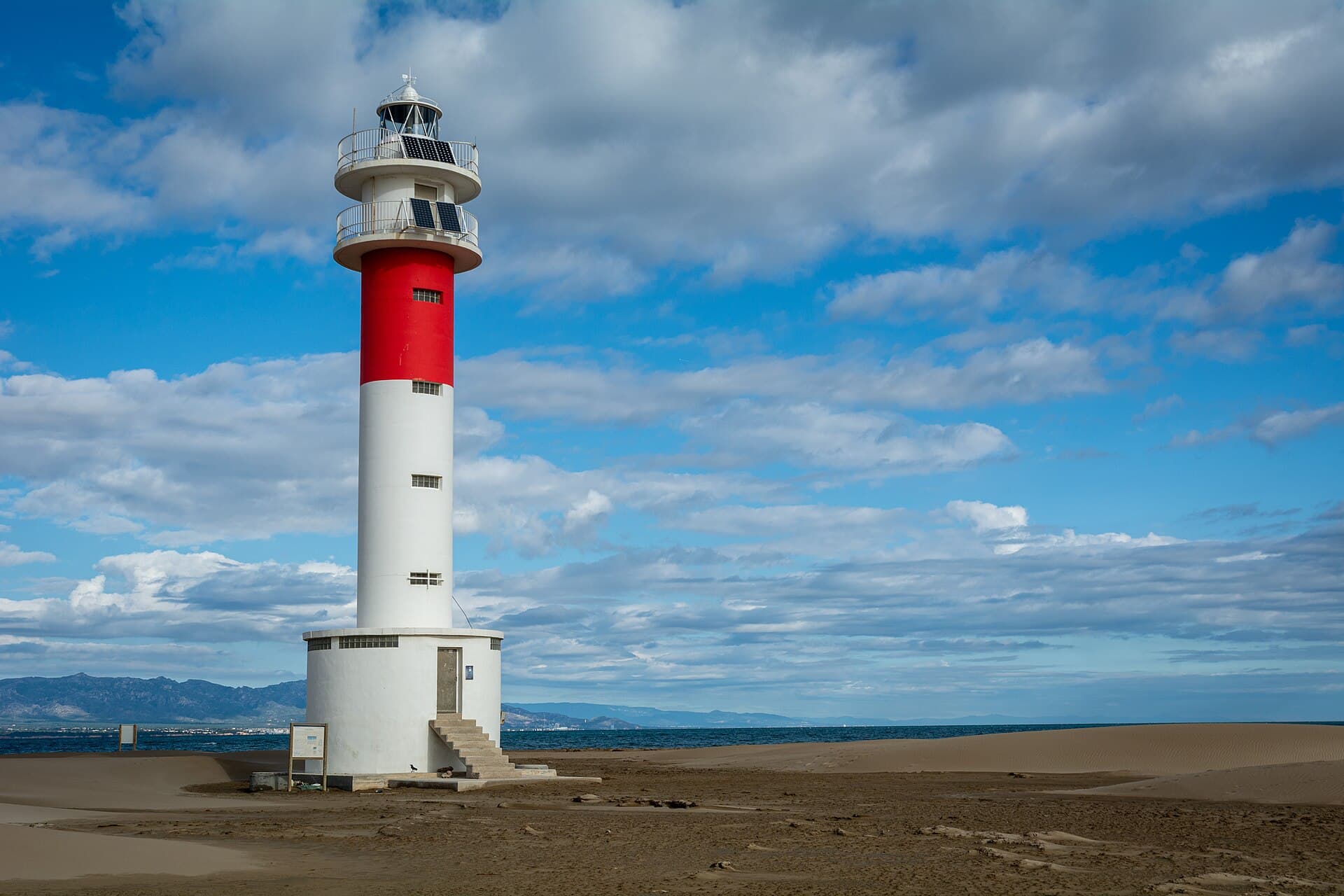
The Ebro Delta is one of the most unique natural spaces in Europe. The Ebro River reaches the Mediterranean creating a delta of 320 km² of rice paddies, lagoons, deserted beaches and wetlands. More than 300 bird species pass through here, including pink flamingos. The rice grown in the delta has its own DOP — it's what the best restaurants in Tarragona use. Mussels, eels and prawns from the delta complete a unique gastronomy.
What to see & do
- ▸Punta de la Banya: sandbar with colonies of pink flamingos
- ▸Deltebre: capital of the delta, with boat trips along the canals
- ▸Museu del Montsià: history and nature of the delta
- ▸Bicycle route through the rice paddies (completely flat terrain)
- ▸Eucalyptus Beach: deserted and wild beach inside the Natural Park
Rent a bicycle in Deltebre: the delta is completely flat and perfect to explore by bike. Grilled Delta eel at one of the local restaurants is a must.
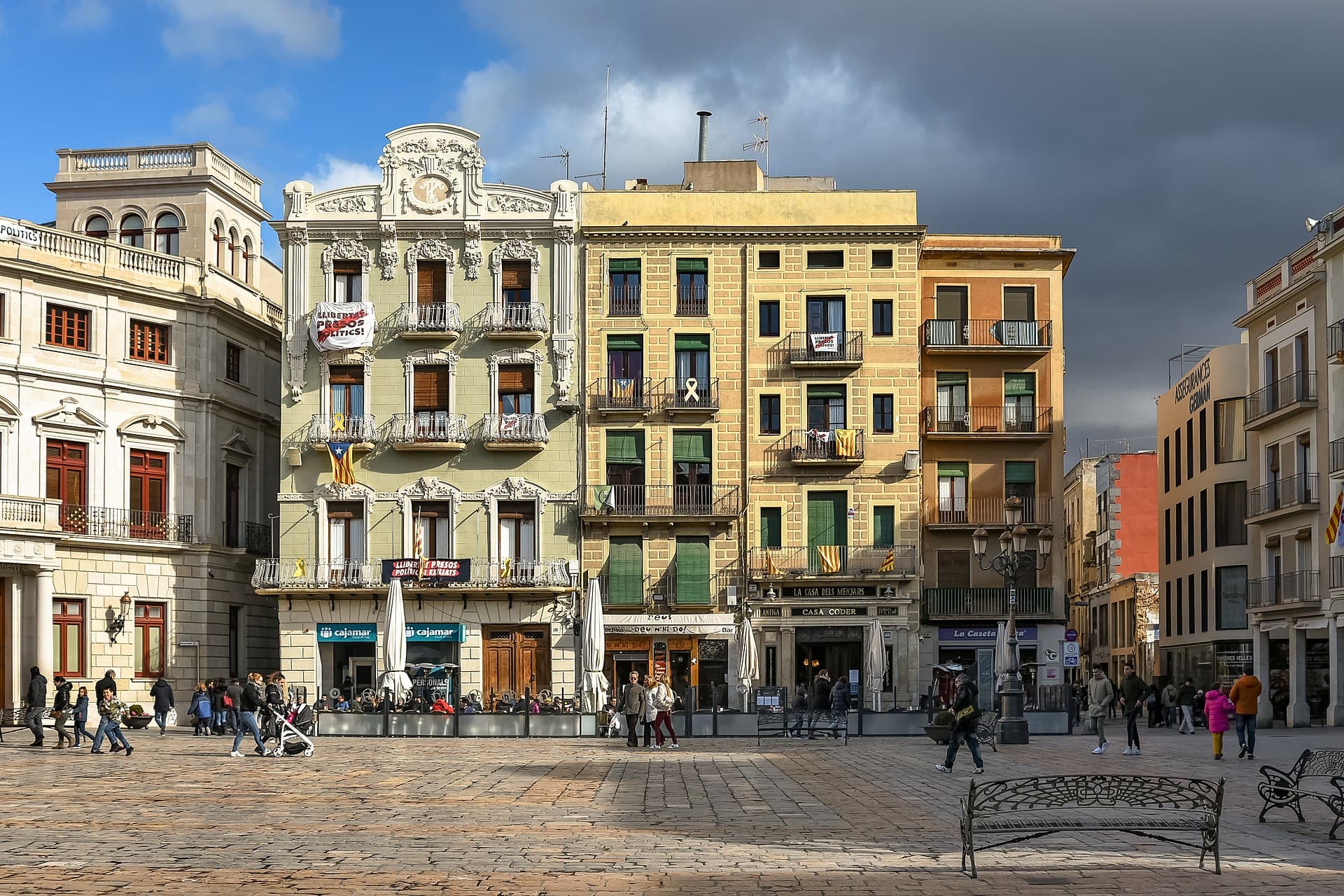
Reus · Gaudí's City
Modernisme, hazelnuts and birthplace of the Catalan genius
Birthplace of Antoni Gaudí · Modernisme Route
Reus is the second most important city in the province and the birthplace of Antoni Gaudí (1852). The city has an extraordinary Modernisme route — Reus's Modernisme rivals Barcelona's in quality — and the Gaudí Centre, the finest museum dedicated to the architect's formative years. Just 15 km from Tarragona, it's a perfect half-day trip. It also produces Europe's most prized hazelnuts — the ingredient that makes Tarragona's romesco sauce unique.
What to see & do
- ▸Gaudí Centre: the most complete museum about Gaudí's origins and formation
- ▸Casa Navàs: the jewel of Reus Modernisme, one of the finest Art Nouveau buildings in Spain
- ▸Municipal Market: Modernista building with local produce
- ▸Institut Pere Mata: Modernista hospital by Domènech i Montaner
- ▸Casa Rull: another exceptional example of Reus Modernisme
The Gaudí Centre is more interesting than it looks: it's not just about architecture, it's about his character and world. Combine it with the Municipal Market to buy hazelnuts and DO Siurana olive oil.
Siurana
The village on the precipice
Medieval village on a 200m cliff · World-class climbing
Siurana is one of the most spectacular villages in Catalonia. Perched on the edge of a 200-metre cliff above the Siurana reservoir, this small medieval village was the last Arab stronghold conquered in Catalonia (1153). The conglomerate walls surrounding it are a world-class sport climbing destination: some of the world's hardest routes have been established here. The views over the Priorat and Baix Camp are absolutely extraordinary.
What to see & do
- ▸El Cingle de Siurana: the viewpoint over the precipice to the village
- ▸Ermita de la Verge de Siurana: Romanesque church from the 12th century
- ▸Paret de Siurana: world-class climbing walls
- ▸Hiking through the Barranc de Siurana: 2h route with reservoir views
- ▸Priorat wineries in nearby villages
Go early in the morning: the village is very small and gets crowded in summer. The walk from the car park to the cingle is 5 minutes. Bring water and comfortable shoes.
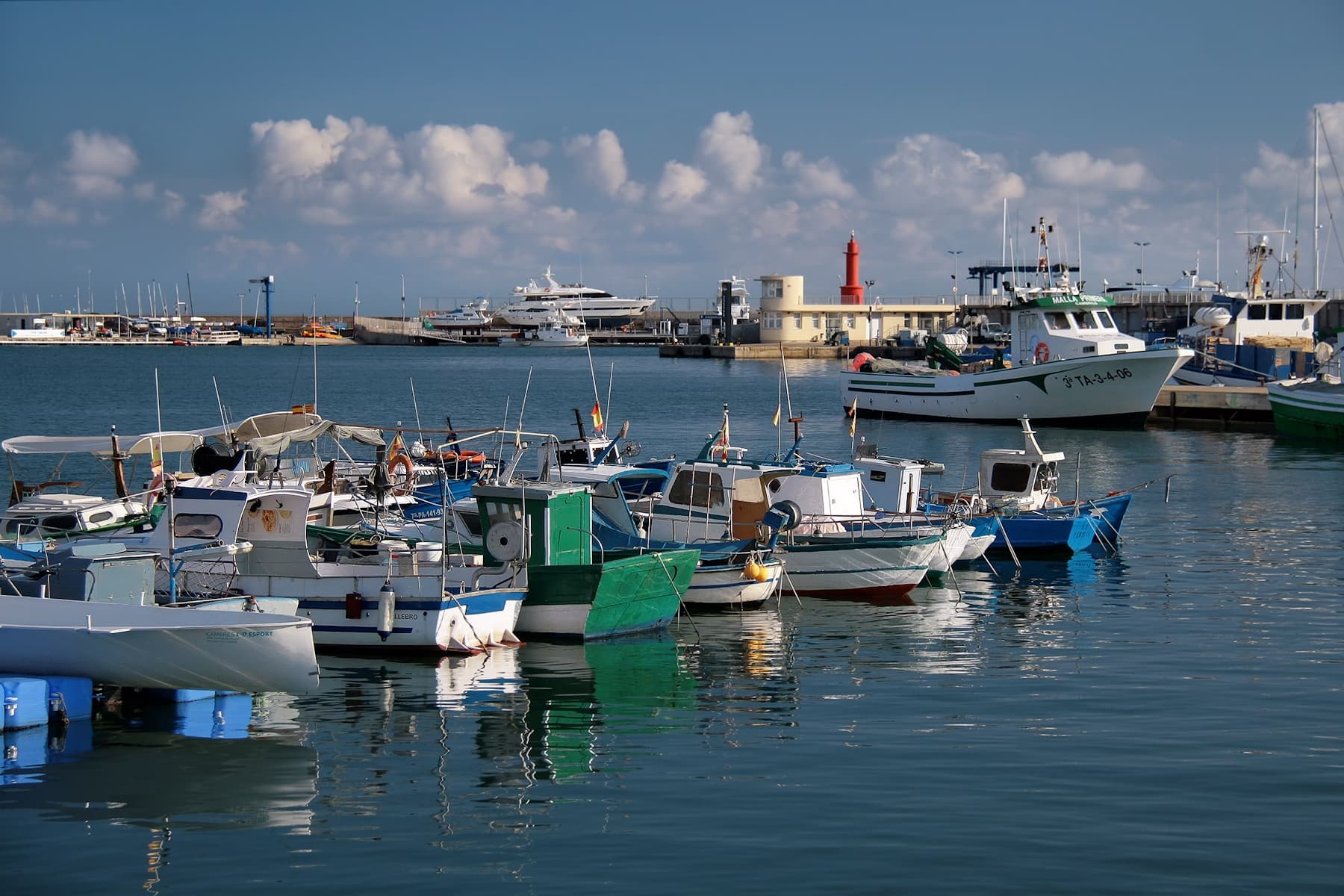
Cambrils
The gastronomic capital of the Costa Daurada
Michelin restaurants · Active fishing port
Cambrils is the gastronomic capital of the Costa Daurada. The fishing port supplies directly to the best restaurants in the area, several of them with Michelin stars or recognition. The offering of seafood rice dishes, shellfish and fresh-landed fish is extraordinary. Cambrils's long, well-equipped beach and the old town complete a visit that can easily fill an entire day.
What to see & do
- ▸Fishing port: visit the fish market early in the morning
- ▸Michelin-recognised restaurants at the port
- ▸Cambrils Beach: long, with a lively seafront promenade
- ▸Molí de les Tres Eres: local ethnological museum
- ▸Old town and local market
The port restaurants serve their lunchtime menu with the fish caught that morning. It's one of the best gastronomic experiences on the Costa Daurada.
Montsant
The wine region few people know about
DO Montsant · Neighbour of Priorat · Best value for money
Montsant surrounds Priorat and produces high-quality grenache and syrah wines at more reasonable prices than its famous neighbour. The Serra del Montsant, a spectacular rocky massif, offers hiking routes with views of the sea and inland. The Camí de Ronda del Montsant and the villages of Cornudella, Ulldemolins and La Morera del Montsant are the starting points.
What to see & do
- ▸Serra del Montsant: rocky massif with trails and spectacular views
- ▸Ermita de la Verge del Montsant: inside the massif
- ▸Wineries of Cornudella and Ulldemolins
- ▸Cingle de la Mussara Trail: path along the cliffs
Montsant wineries are more accessible and welcoming than those of Priorat. Many accept walk-in visits and tasting prices are more reasonable.
Historic Ebro · Tortosa and Miravet
The river, history and the Templar castle
12th-century Templar castle · Medieval village above the Ebro
The stretch of the Ebro between Miravet and Tortosa offers some of Catalonia's most impressive landscapes and monuments. Miravet, with its Templar castle (12th century) atop the cliff above the river, is one of the most photogenic villages in the region. Tortosa preserves a medieval cathedral and an Arab citadel (Suda) that can be visited. The Ebro here is wide, calm and full of history.
What to see & do
- ▸Miravet Templar Castle: atop the cliff above the Ebro
- ▸Crossing the Ebro by wooden ferry (the traditional crossing)
- ▸Tortosa Cathedral: imposing Catalan Gothic
- ▸Castell de la Suda (Tortosa): Arab castle with river views
- ▸Medieval old town of Tortosa
Cross the Ebro on Miravet's wooden ferry: it's a unique experience, the same crossing that has been used for centuries. The Templar castle at sunset, with golden light over the river, is extraordinary.
How to get to Tarragona?
High-speed AVE train from Barcelona in 35 minutes, from Madrid in 2h 30 min. By car you can reach all these destinations in the same day.
See full guide on how to get here