TOP 10 · UNESCO Heritage
What to See in Tarragona
The Roman Amphitheatre overlooking the Mediterranean, the 3rd-century BC cyclopean walls, the Gothic Cathedral and the underground Roman Circus. The 10 monuments you cannot miss.
All the Roman heritage within a 15-minute walk from the historic centre. No other Spanish city lets you see so much without leaving the old town.
The first 5 are UNESCO World Heritage Sites. The 5-monument pass (€15) is the smartest option: it saves you 40% versus individual tickets and is valid for several days.
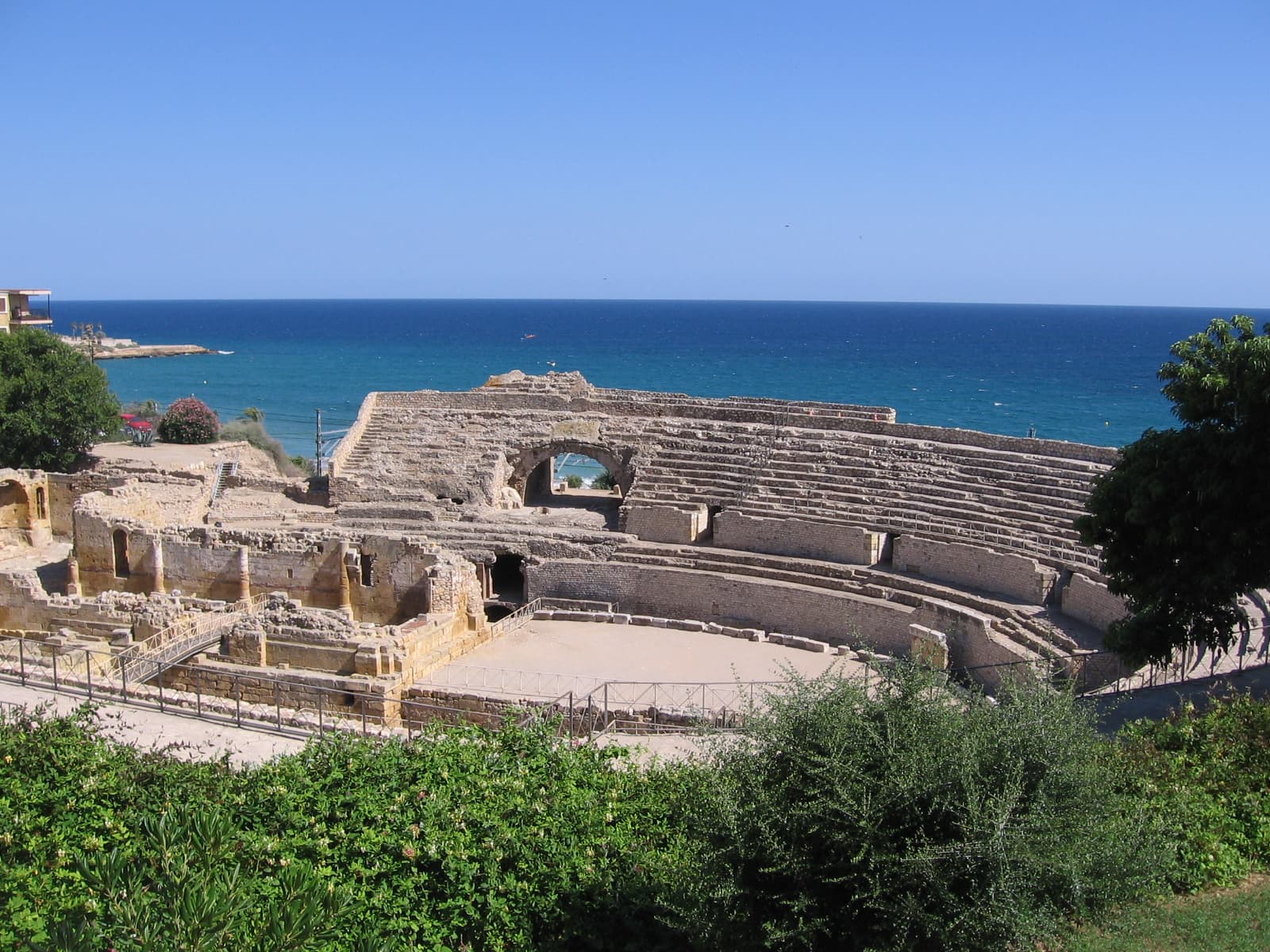
Roman Amphitheatre
The only Roman amphitheatre in the world facing the sea
Tarragona's most iconic monument and one of the most unique in the world. Built in the 2nd century AD with capacity for 14,000 spectators, its exceptional setting facing the Mediterranean has no equal in the entire Roman Empire. Saints Fructuosus and his deacons were martyred here in 259 AD. On the arena floor stand the ruins of the medieval church of Santa Maria del Miracle, built in their honour centuries later.
Visit at sunset: the golden light over the Roman stands with the Mediterranean behind is one of the most beautiful sights in all of Spain. Bring your camera.
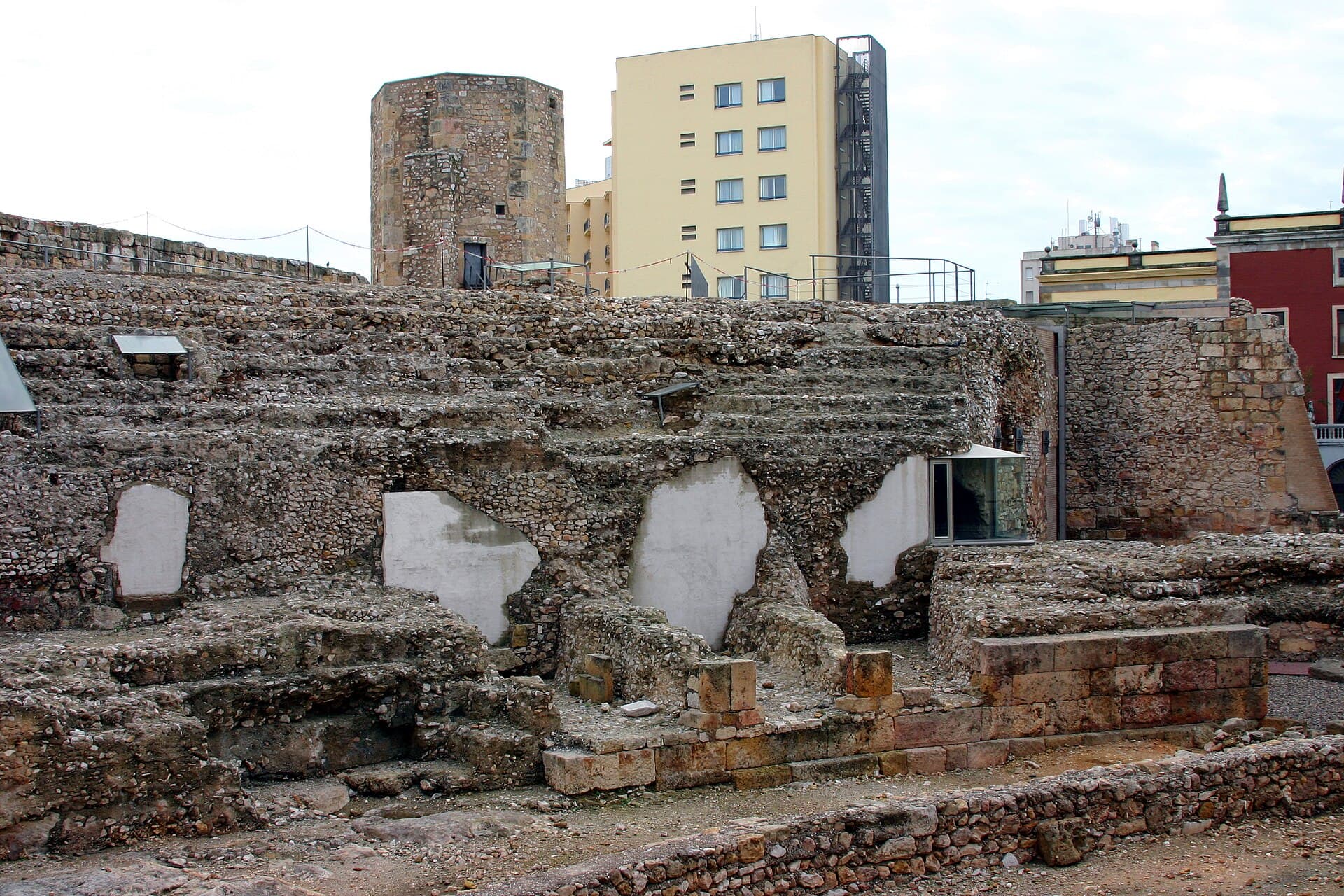
Roman Circus and Praetorium
325 metres · One of the longest in the Roman Empire
One of the best-preserved Roman circuses in the western world. At 325 metres with capacity for 25,000 spectators, it was the stage for the thrilling chariot races that kept all of Tarraco on edge. The extraordinary part: its impressive Roman vaults lie beneath the modern city, accessible from Plaça del Rei. The Roman Praetorium, the tower residence of Roman governors, offers panoramic views over the city and the port.
The Circus underpass runs through the entire historic district: you can see its impressive 2,000-year-old vaults from Plaça de la Font. The Praetorium offers the best views of Tarragona.
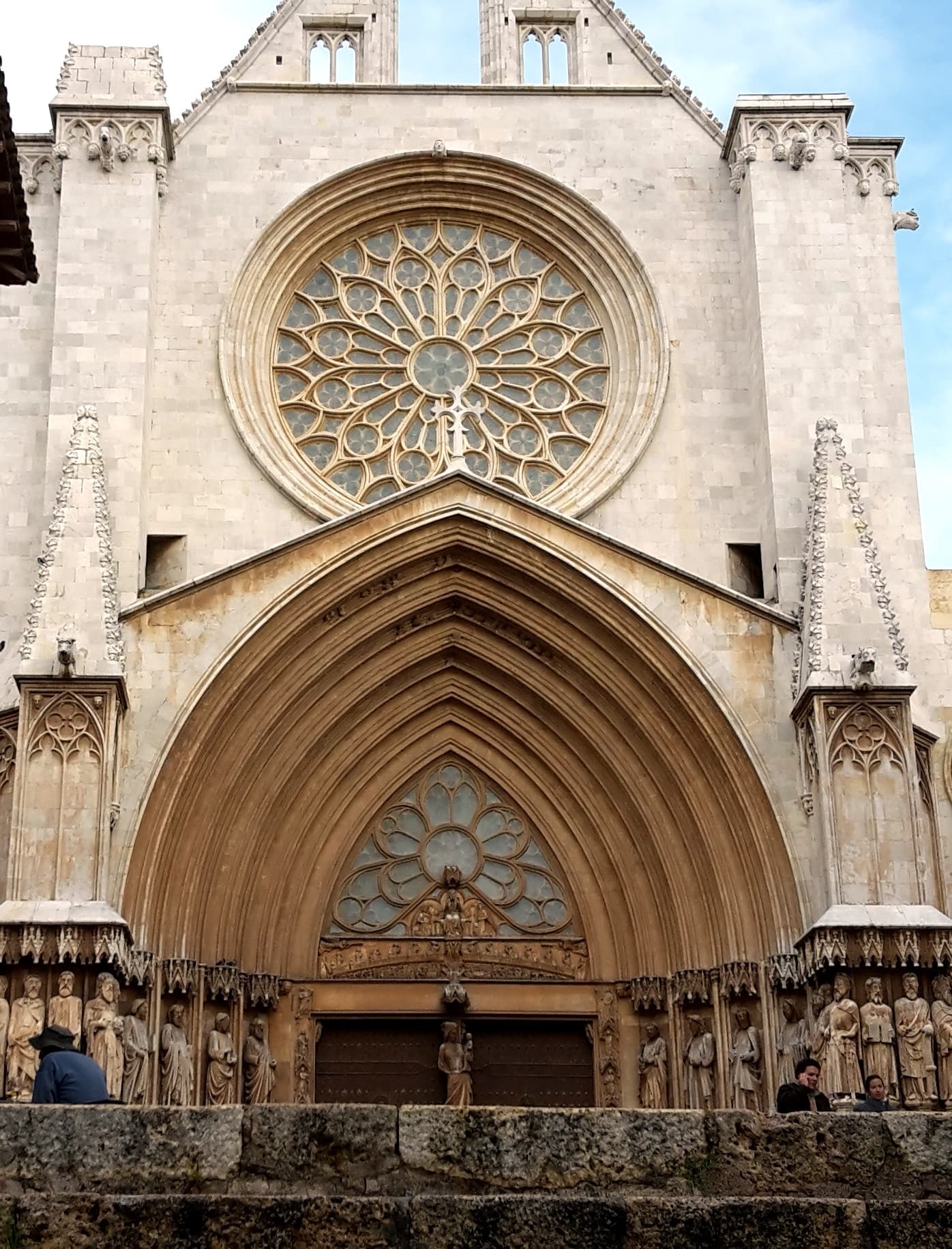
Cathedral of Santa Tecla
Romanesque-Gothic · The most beautiful cloister in Catalonia
Built on the ruins of the Temple of Augustus — the most important Roman temple in Hispania — the Cathedral of Santa Tecla is the eternal symbol of a city that builds its future on its past. Construction began in 1146 and was consecrated in 1331: the façade shows the perfect transition from Romanesque to Gothic. The cloister, of extraordinary proportions, is one of the finest in Spain. The Museu Diocesà, included in the ticket, preserves Flemish tapestries unique on the Iberian Peninsula.
Look in the cloister for the capital with a cat hunting a rat and another scene with monkeys. They are the most original and amusing Romanesque capitals in Catalonia — a secret few visitors know.

Pont del Diable (Devil's Bridge)
217 m long · 27 m high · 2,000 years standing · Free
Just 4 km from Tarragona's centre, this Roman aqueduct from the 1st century BC is one of the best preserved in the world. Its 217 metres of length and 27-metre height carried water from springs 15 km away to the city. Roman engineering in its purest form: still standing after 2,000 years without any structural restoration. Legend says it was built in a single night with the devil's help — hence its name.
Arrive at dawn or sunset for the best photographs. No tourists, no queues, absolutely free. One of Spain's most impressive monuments with free entry.
Roman City Walls
The oldest on the Iberian Peninsula · 3rd century BC
The walls of Tarraco are the oldest Roman constructions on the entire Iberian Peninsula: from the 3rd century BC, even before the official founding of the city. The preserved section reaches 9 metres high and 6 metres thick. The lower part, built in Cyclopean style — enormous stone blocks of up to 8 tonnes without mortar — dates from pre-Roman Iberian times. The Archaeological Walk that borders them is one of the most evocative historical promenades in Catalonia.
The section near the Tower of Minerva and the Tower of the Scipios is the best preserved. At night, illuminated, it is absolutely breathtaking. Exterior walk always free.
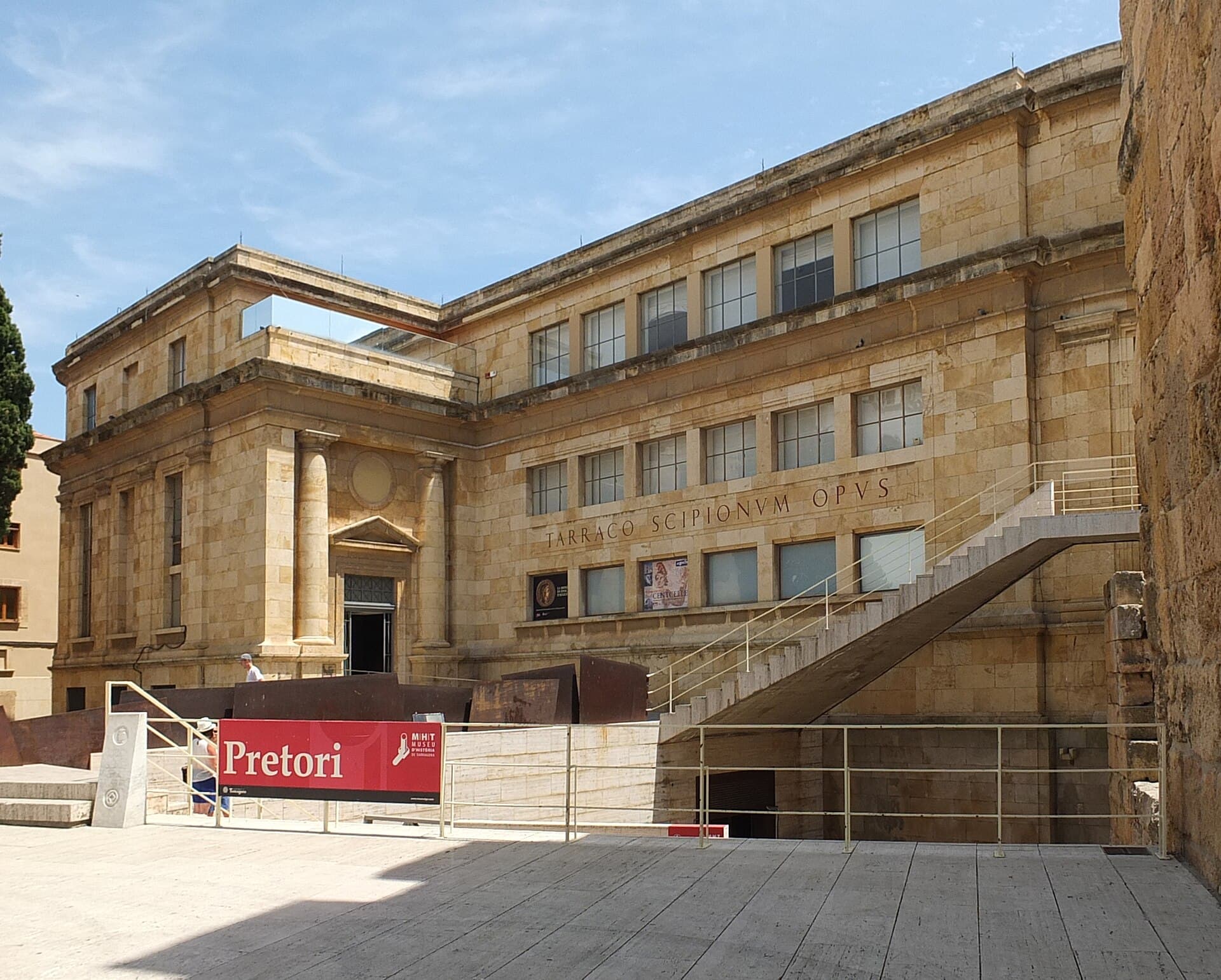
National Archaeological Museum (MNAT)
The Fish Mosaic: 100 marine species from the 2nd century AD
Spain's reference museum for Roman archaeology. The star piece is the Fish Mosaic from the 2nd century AD: a genuine Roman marine encyclopaedia with over 100 marine species depicted with extraordinary scientific precision. Also the Medusa Mosaic, imperial sculptures of Augustus and Hadrian, epigraphy and everyday objects showing how people lived in 2nd-century Tarraco.
Don't rush: the Fish Mosaic deserves time. Get close and look for each marine species. It is a scientific work of art that exists in no other museum in the world.
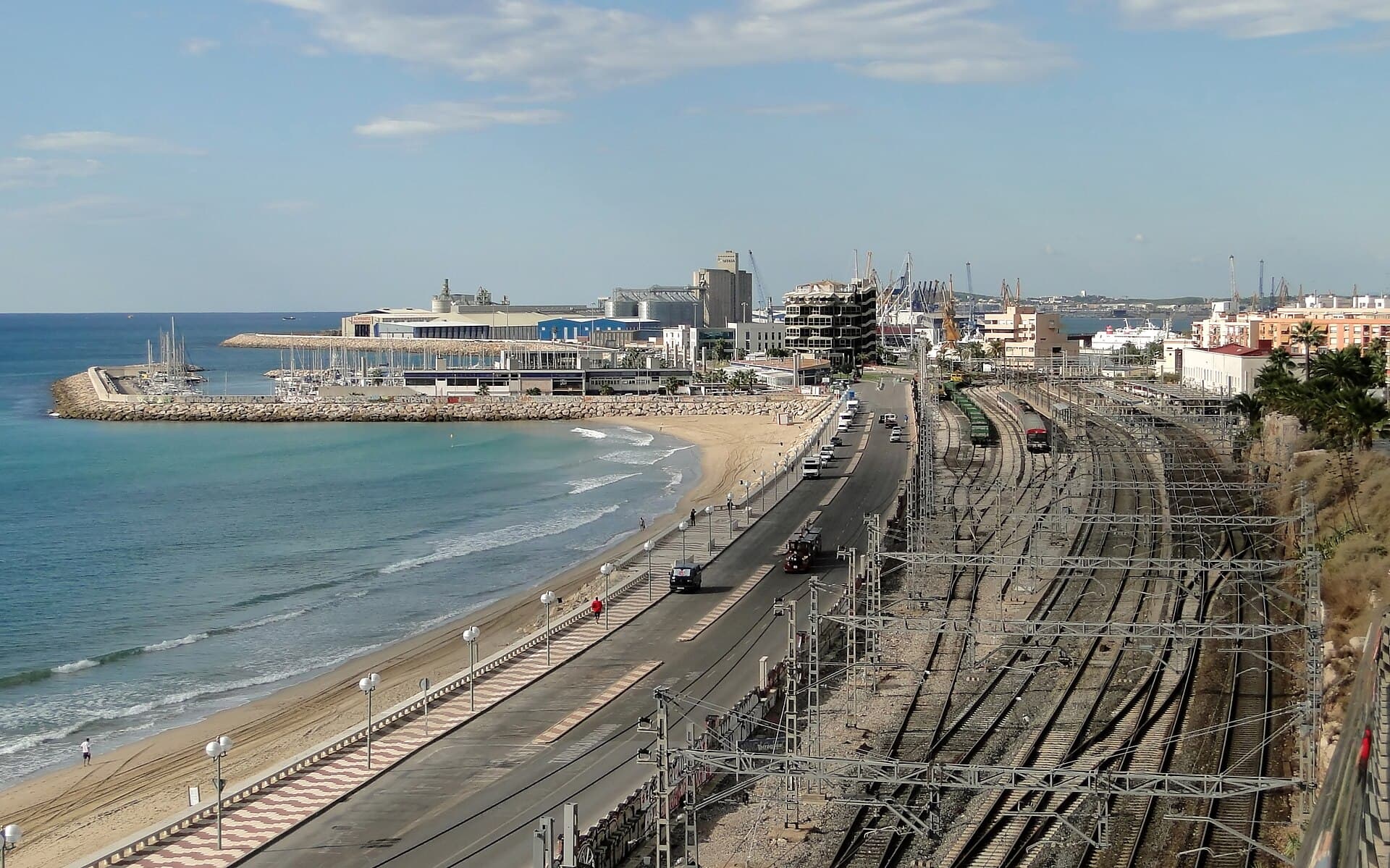
Rambla Nova and Balcó del Mediterrani
Tarragona's finest viewpoint · Free entry
Rambla Nova is the living pulse of Tarragona: 1 kilometre of boulevard with century-old palms, lively terraces and local shops ending at the Balcó del Mediterrani. From this viewpoint 40 metres above the sea, views of the Roman Amphitheatre, Miracle Beach, the Port and the Mediterranean are absolutely unique. The statue of Admiral Roger de Llúria presides over the space.
Sunset from the Balcó del Mediterrani is one of Tarragona's most beautiful and free experiences. The sun falling over the Roman Amphitheatre with the sea behind: words fail.
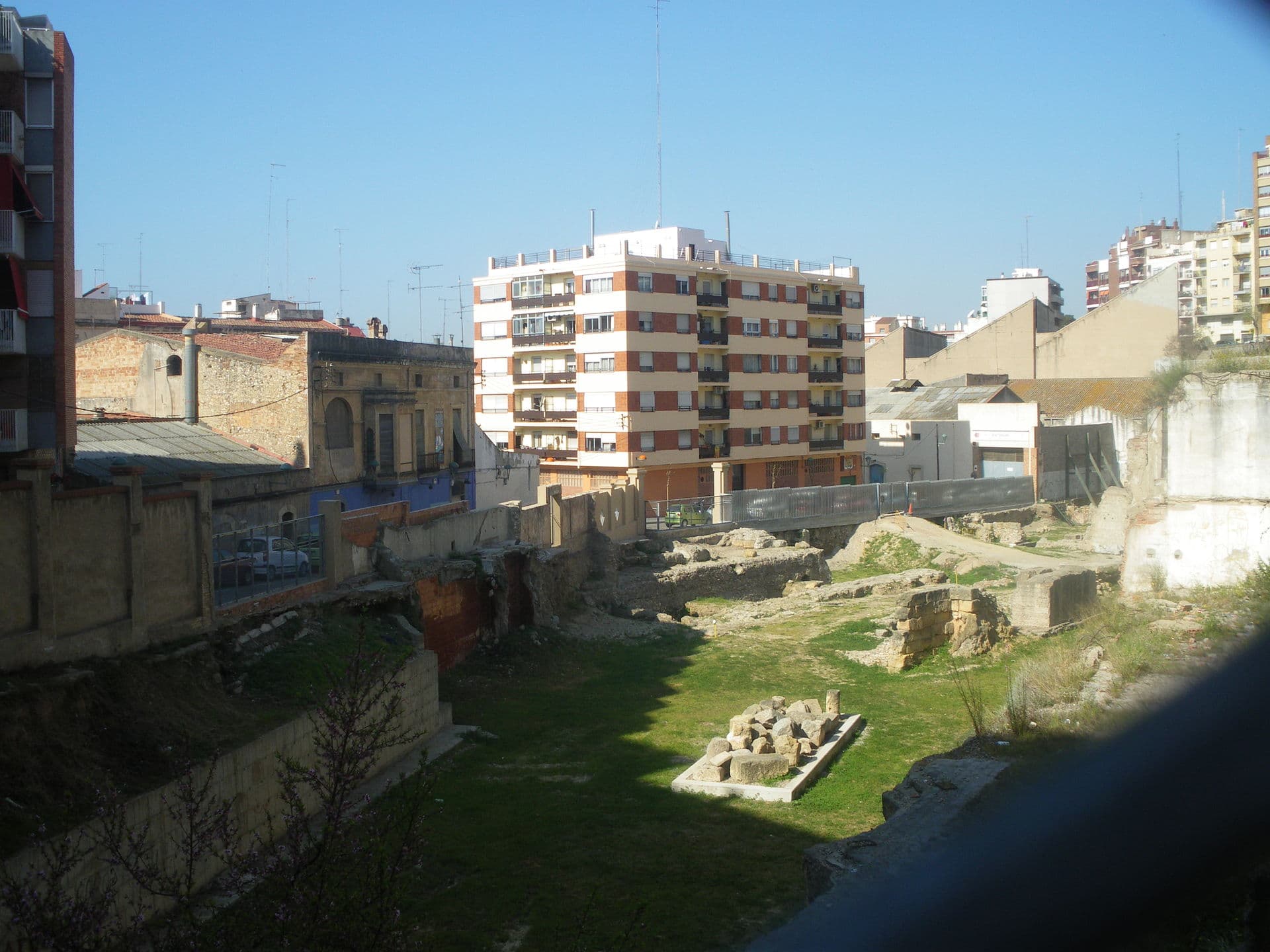
Palaeochristian Necropolis
One of the largest necropolises of the Roman Empire
Accidentally discovered in 1923 during construction works, it is one of the largest Palaeochristian necropolises in the Western Roman Empire. Over 2,000 burials from the 3rd to 7th centuries AD, with amphora tombs, lead and marble sarcophagi, and aristocratic family mausoleums. It is located exactly where martyrs Fructuosus and his deacons were buried after their martyrdom in the Amphitheatre in 259 AD.
The least crowded stop on the Roman circuit and one of the most surprising. The adjoining museum has unique marble sarcophagi. You'll practically have the place to yourself.
La Part Alta (Old Town)
2,000 years of history around every corner · Always free
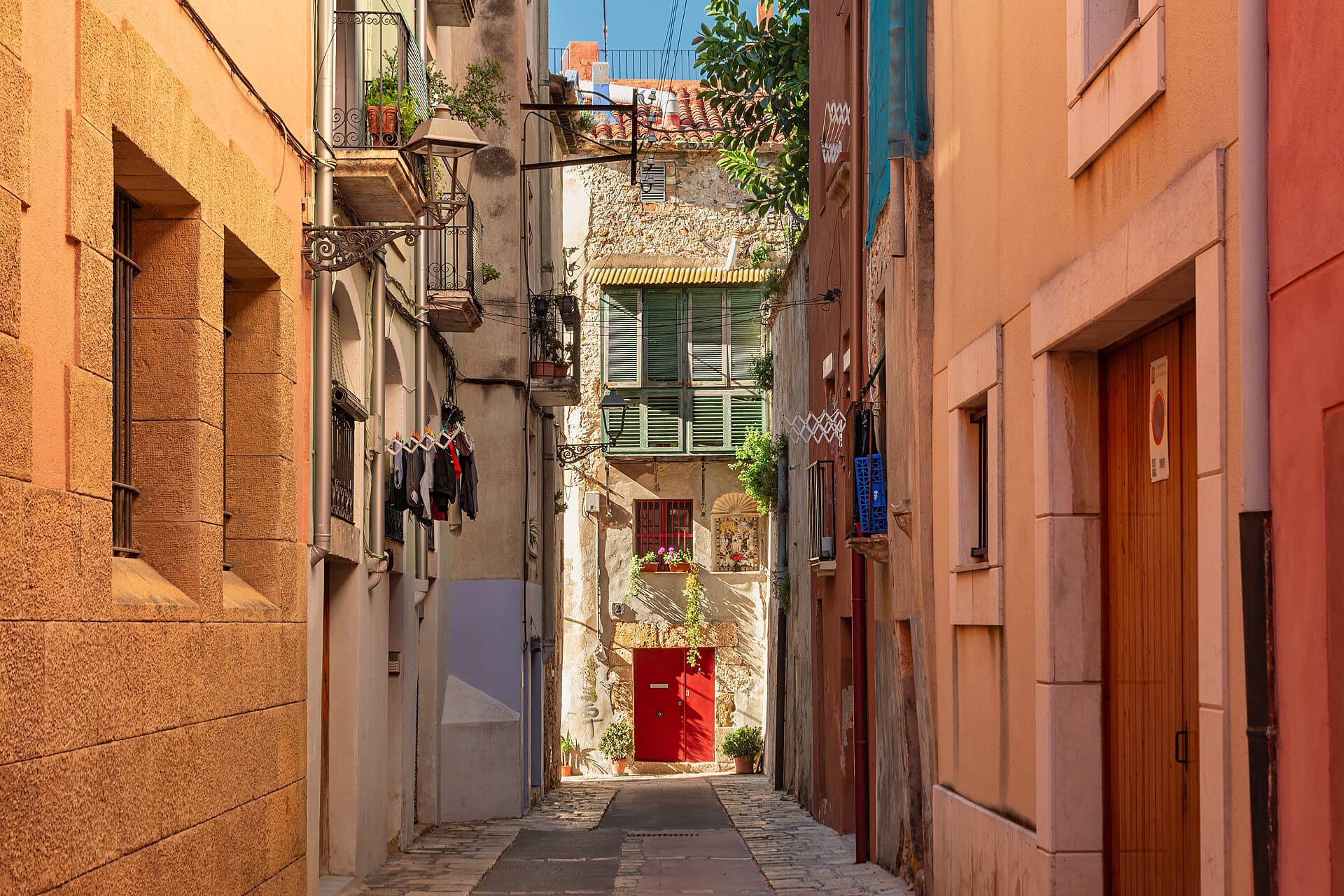
Wandering the Part Alta without a map is Tarragona's best activity. Cobbled medieval alleyways where every corner reveals a Gothic arch or Roman column integrated into a house wall. The medieval Jewish quarter, with its arches at Plaça dels Àngels, is one of the most magical corners of Catalonia. Plaça de la Font, where the castellers perform at Santa Tecla, is the neighbourhood's social heart.
Get lost without a map. Every alleyway hides a surprise: a Roman column built into a wall, a medieval arch, an art gallery. The city's best wine bars are here.
PortAventura World
Top 5 theme parks in Europe · 10 km from Tarragona
Just 10 km from Tarragona by commuter train (15 minutes), one of Europe's most visited theme parks. Dragon Khan and Shambhala, Europe's most impressive roller coasters, Ferrari Land, the Caribe water park and over 40 attractions across 5 themed zones. Perfect to combine with 1–2 days of culture and gastronomy in Tarragona.
Buy online weeks in advance to save up to €30. The commuter train from Tarragona (15 min) is the easiest option: avoids parking and lets you relax.
🗺️ How to plan your visit
Everything on foot from the historic centre. No car, no hassle.
Half day (4h)
- ▸Amphitheatre (1h) — arrive at opening
- ▸Balcó del Mediterrani → Rambla Nova (30 min)
- ▸Roman Circus + climb Praetorium (1h)
- ▸City Walls: Archaeological Walk (45 min)
MHT pass or individual tickets. All on foot.
Full day
- ▸Morning: Amphitheatre + Circus + Praetorium + MNAT
- ▸Afternoon: Cathedral + Cloister + Museu Diocesà
- ▸Evening: Part Alta without a map, Plaça dels Àngels
- ▸Dinner in El Serrallo: red prawn and rice
The most complete day possible. Don't miss the Part Alta.
Weekend
- ▸Day 1: Full historic city + beaches
- ▸Day 2 morning: Pont del Diable (free, 4 km)
- ▸Day 2 afternoon: PortAventura or Priorat wines
- ▸Luxury dinner: Michelin-starred restaurant
The complete Tarragona experience.